Invisible Tech, Enduring Form — Tissot Under Sylvain Dolla
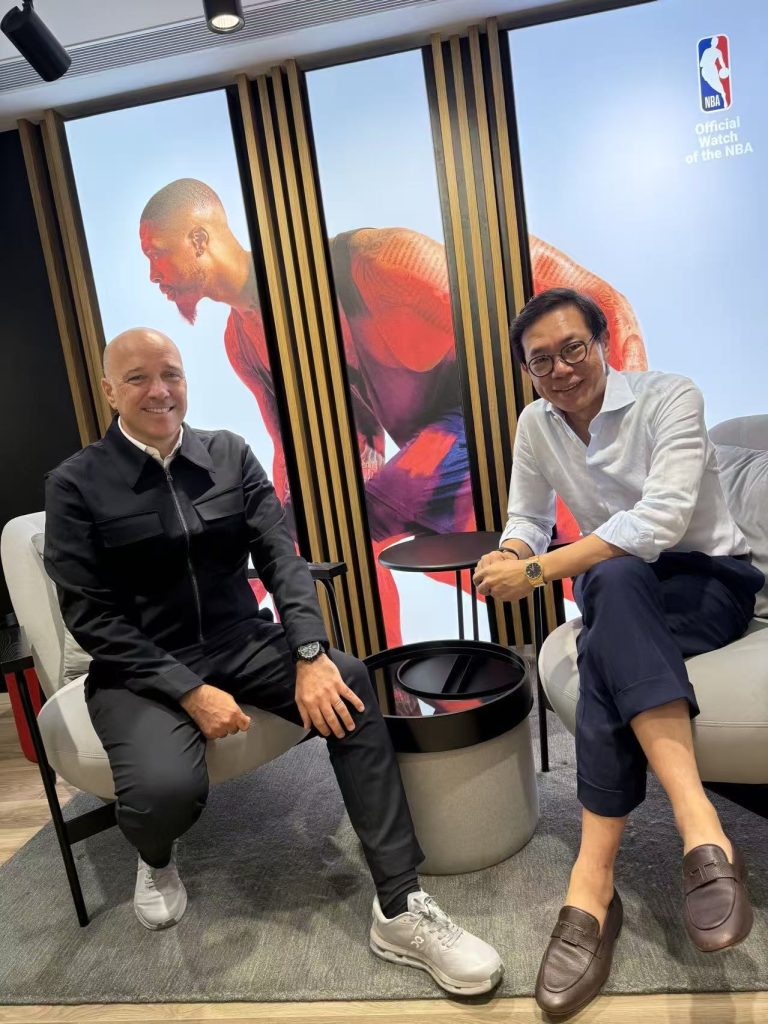
Tissot feels unusually clear about what it is: a brand that compounds heritage, scale, and engineering discipline. Sitting with CEO Sylvain Dolla, the compass is obvious—do the work, then let the product speak.
He starts with collaboration. The Grendizer project wasn’t a marketing brainstorm; it was memory made tangible. “For a whole European generation, Grendizer was the first manga on TV,” Dolla says. “We went straight to Go Nagai—80 years old, still modern—and he hand-signed every drawing in the box. One by one.” Then the line that frames their approach: “We don’t do collaborations for marketing or money. If there isn’t passion and shared values, we don’t do it.”
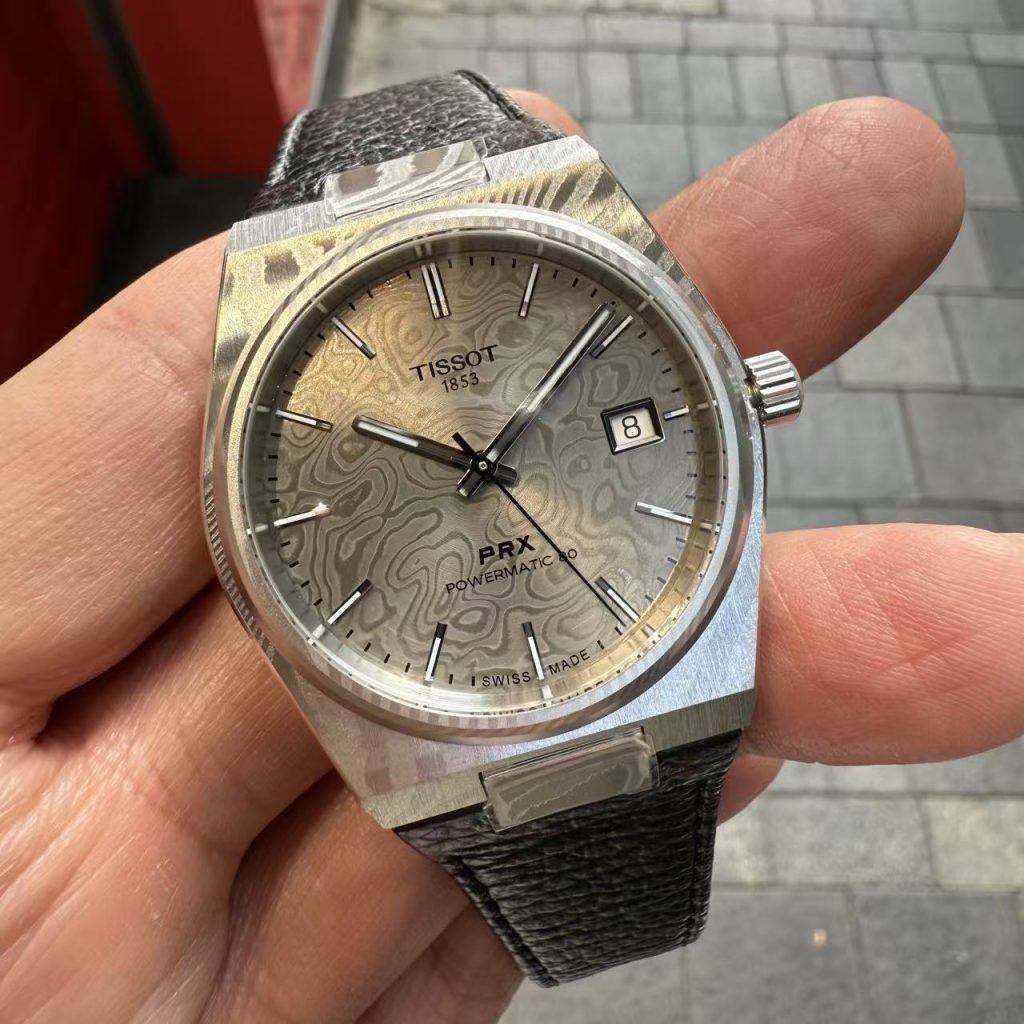
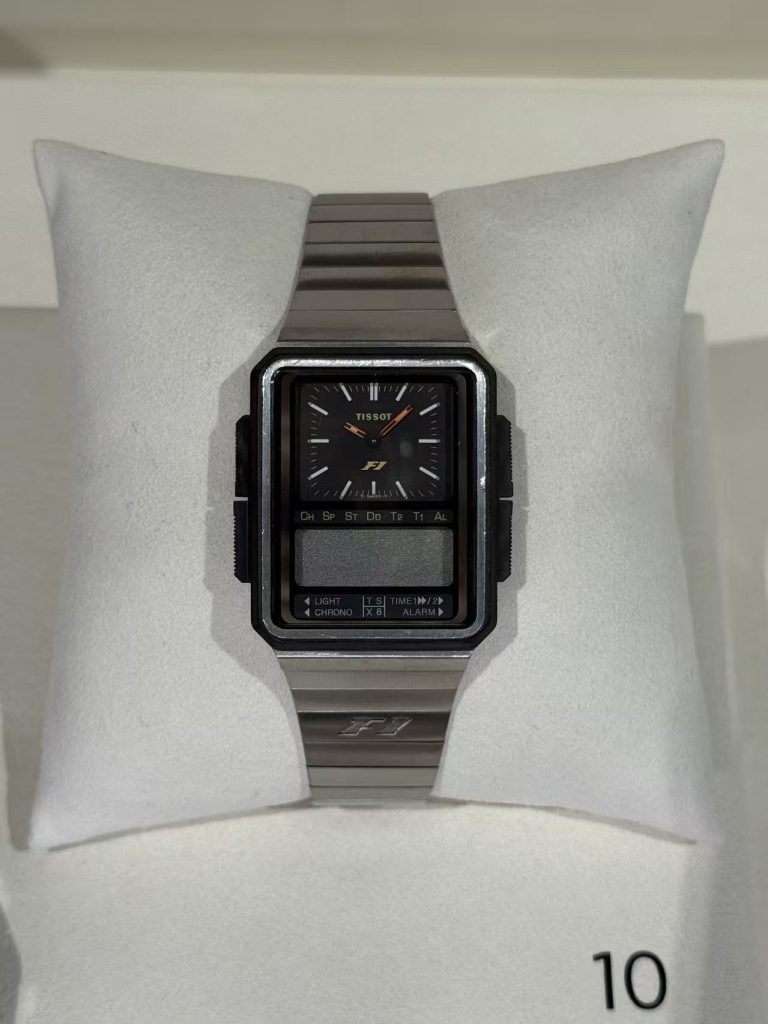
Icons come and go, but the mechanism that creates them matters more. “Every decade a hero emerges,” he says. “Today it’s PRX; fifteen years ago it was T-Touch.” The pipeline works because Tissot treats its archive and its factory like a single engine. “We don’t ‘balance’ old and new—we leverage our history,” Dolla adds. “Each year, one or two designs come straight from the archives because they’re still contemporary.”
The forward push is clearest in solar. Tissot built a dedicated facility for transparent solar cells integrated into the crystal, then re-wrote the movement software around it. The design brief was uncompromising. “I didn’t want design constraints,” Dolla says. “The cells are almost invisible, so the dial can have sunray, indices, even diamonds. The tech should disappear.” That’s not a party trick; it’s a roadmap. Solar becomes a pillar, not a side project.
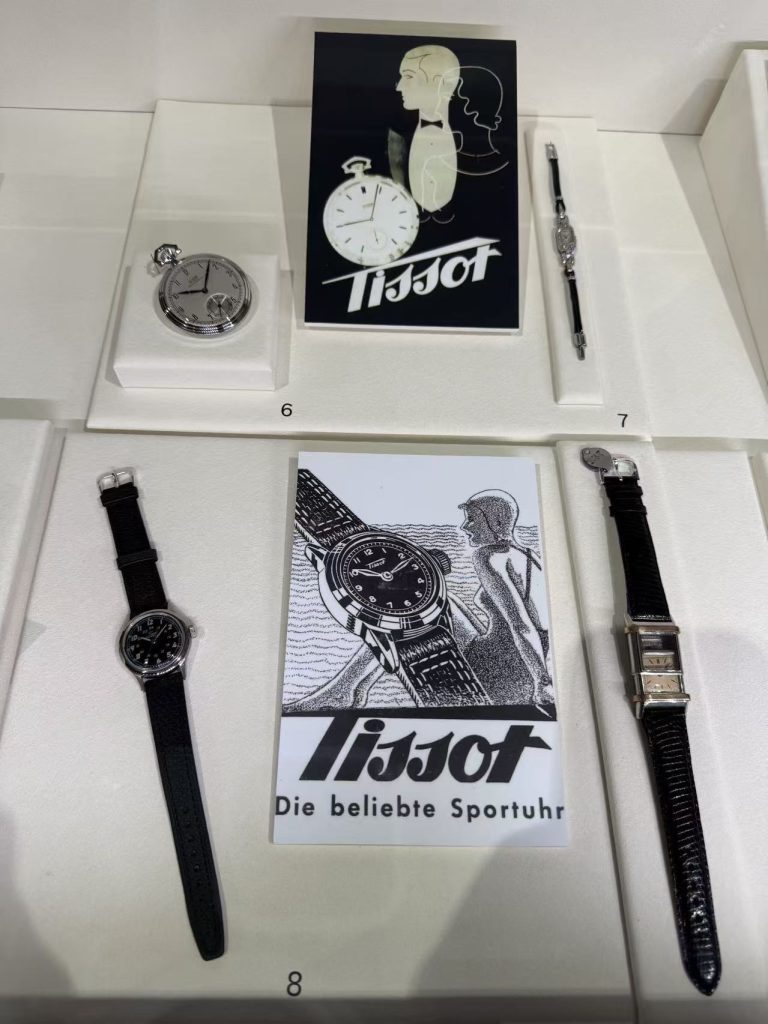
On Heritage, the cadence is deliberate. Some ’70s shapes stay faithful because the proportions were already right; elsewhere, 1930s–40s language is reinterpreted with modern specs for collectors who love vintage character without the vintage headaches. It’s an accurate read of where taste is moving.
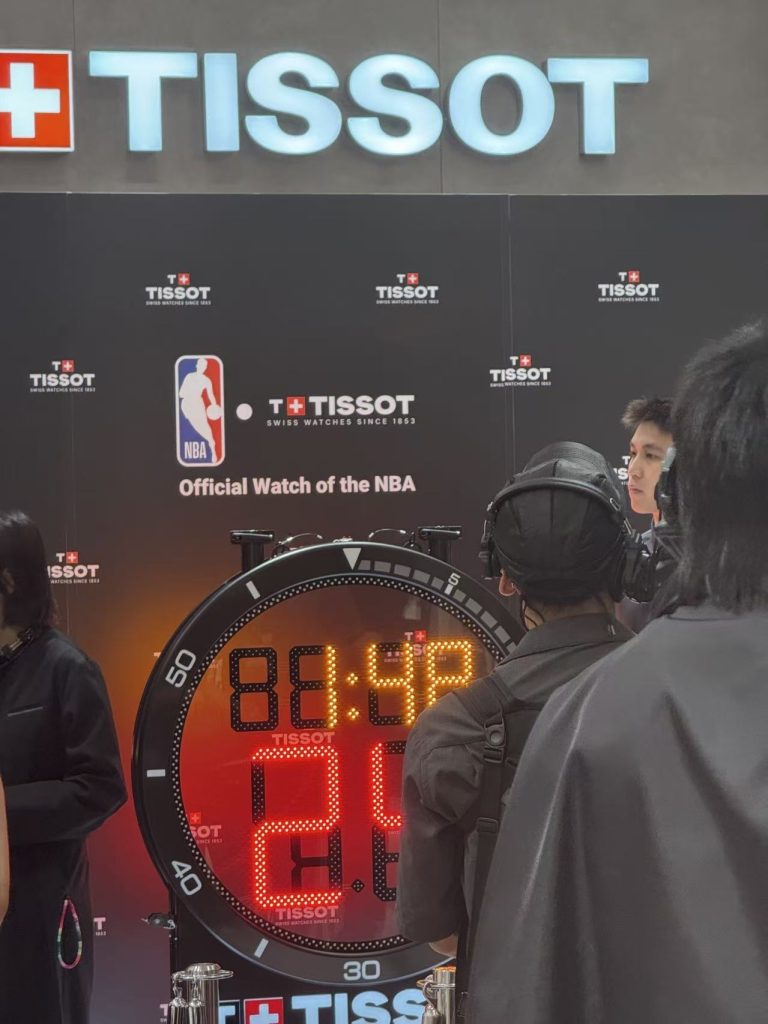
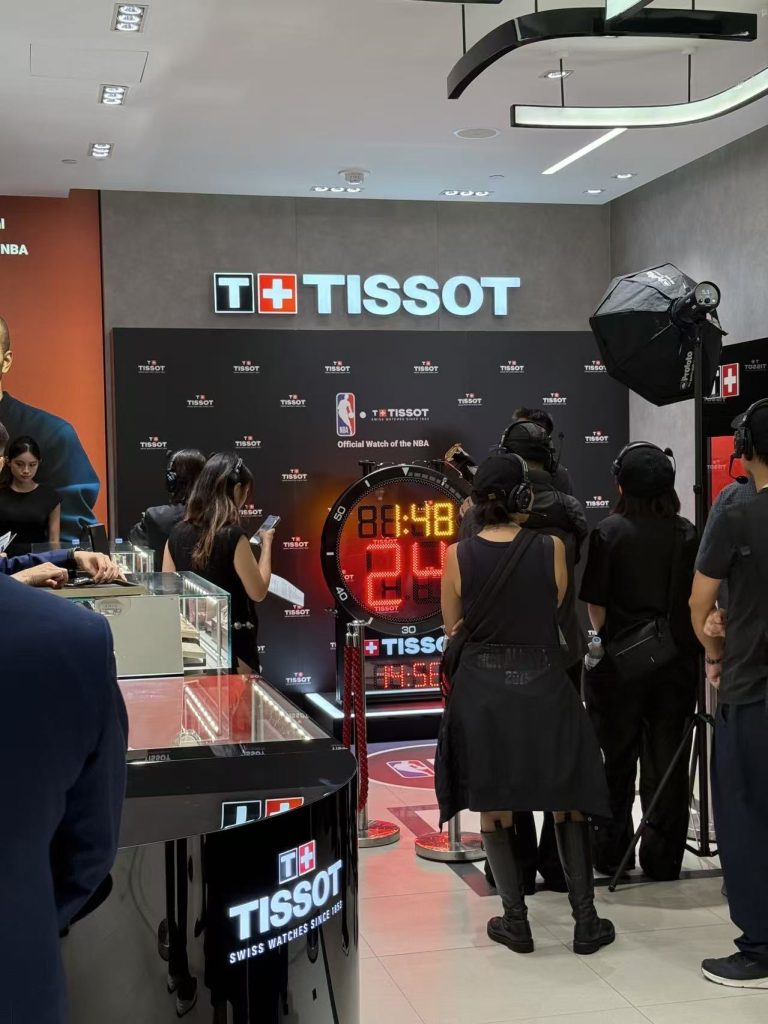
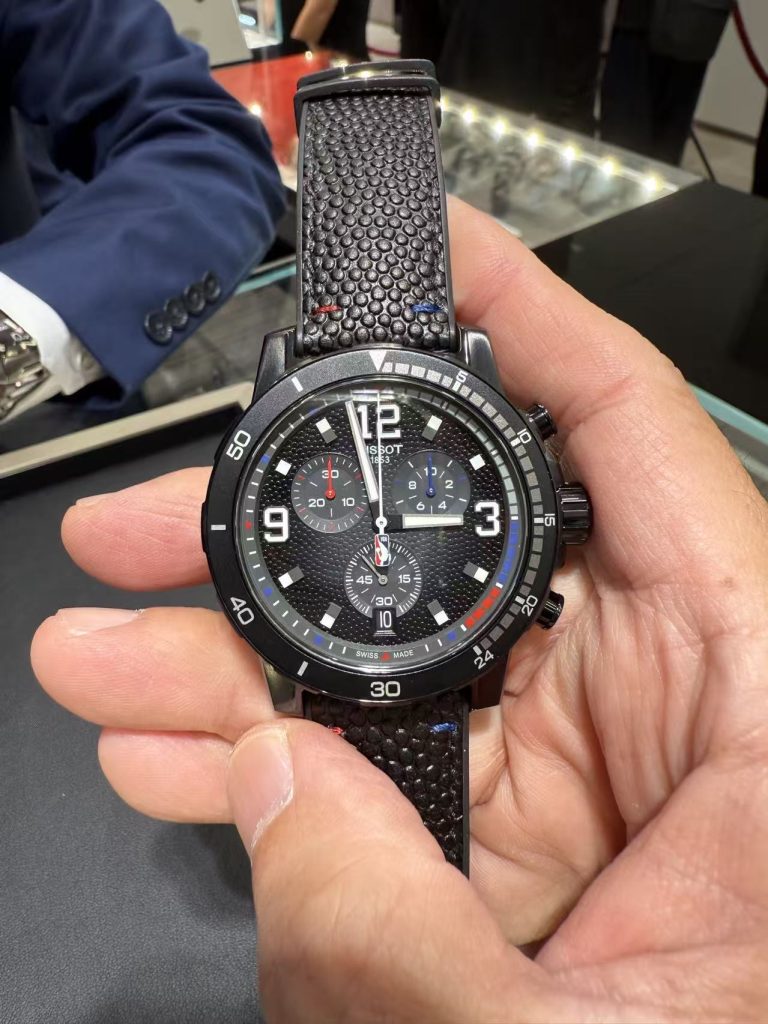
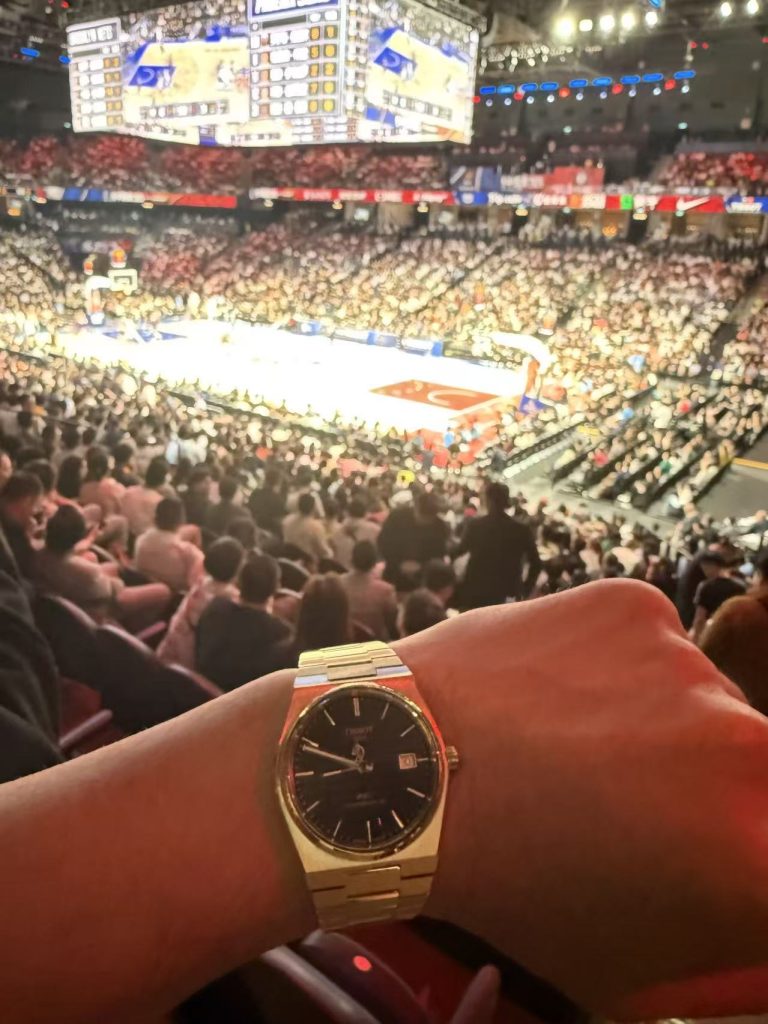
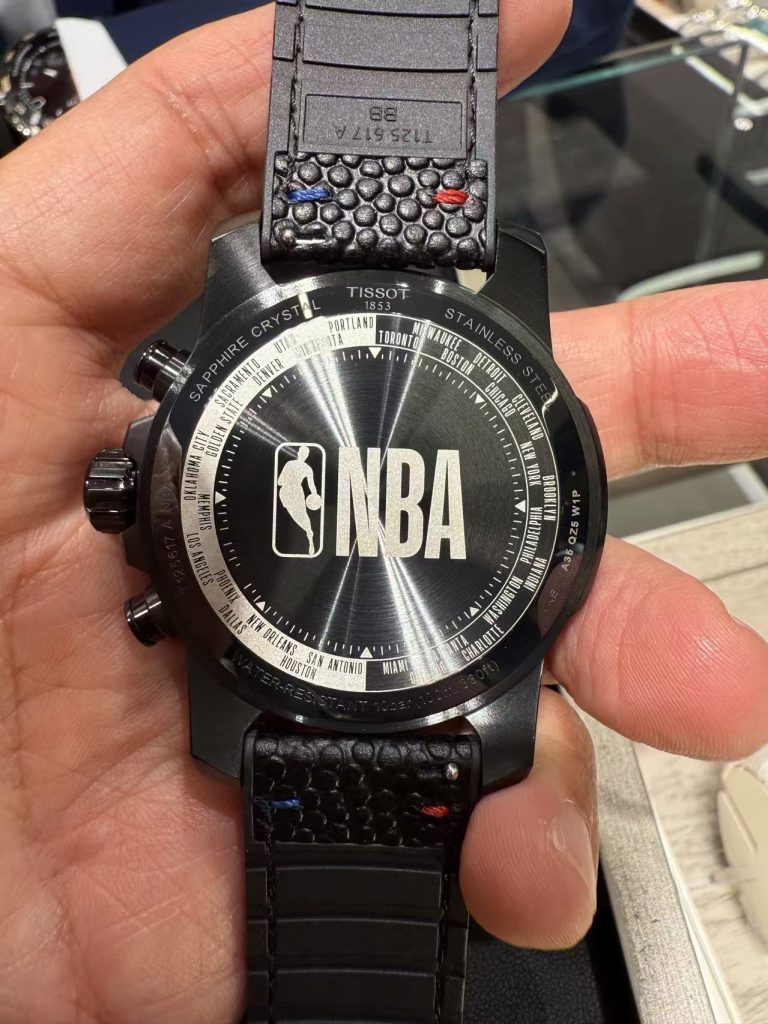
Tissot also rejects the trade-fair calendar for its own stage. “We timekeep sports worldwide—add it up and it’s 365 days of emotional touchpoints,” Dolla says. “Why be diluted at a fair? We’d rather host you courtside at the NBA than seat you as journalist number 20 in a booth.” The resource allocation is rational and, more importantly, human.
The commercial footing explains the confidence. In the HKD ~2,000–10,000 band, Tissot is dominant. “We have more than 50% market share there,” Dolla notes. With most Swiss competitors moving upmarket, real pressure comes from Japan. That leaves Tissot as the entry to Swiss-made—and the finishing often feels richer than the price suggests.
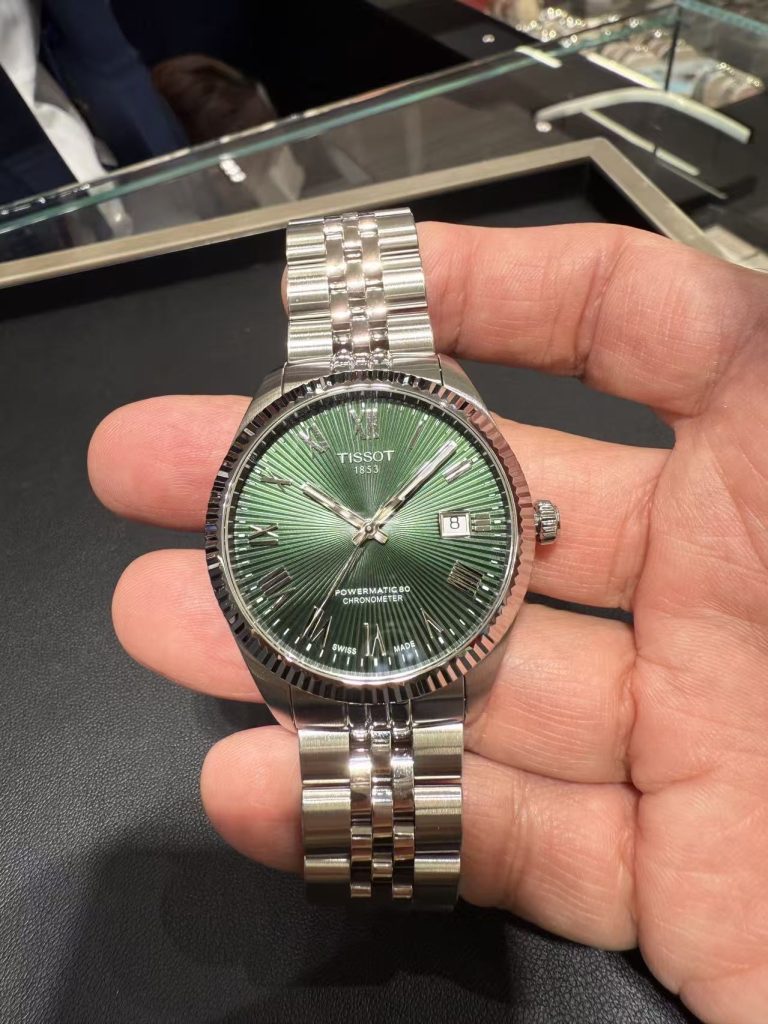
Scale is the reason. “Ask for 20,000 hands or 600,000 bracelets and you can demand different processes,” he says. That negotiation power shows up in bracelets that articulate cleanly and casework that feels refined without moving the retail needle. Service follows the same logic. “Customer care at our price point is a cost center,” Dolla admits, “but we still aim for quality. It builds trust.”
So where does he draw the line on focus? He doesn’t—by design. “Breadth is our strength,” Dolla says. “Connected, solar, mechanical, gold, pocket—men’s and ladies’. Only our volume lets us do all of it with consistent finishing. I almost cut categories when I arrived; then I saw the numbers. They make sense.” The long bet is clear: “We’ll keep innovating—especially in solar—and keep the range.”
My takeaway: Tissot isn’t chasing moments; it’s building a system that reliably creates them. “The tech should disappear. The emotion should remain,” Dolla tells me. That’s exactly what you feel when a PRX sits right on the wrist—and why the next hit won’t be an accident.