The Chaos We Call Hype: A Quiet Plea for Dignity in Commerce
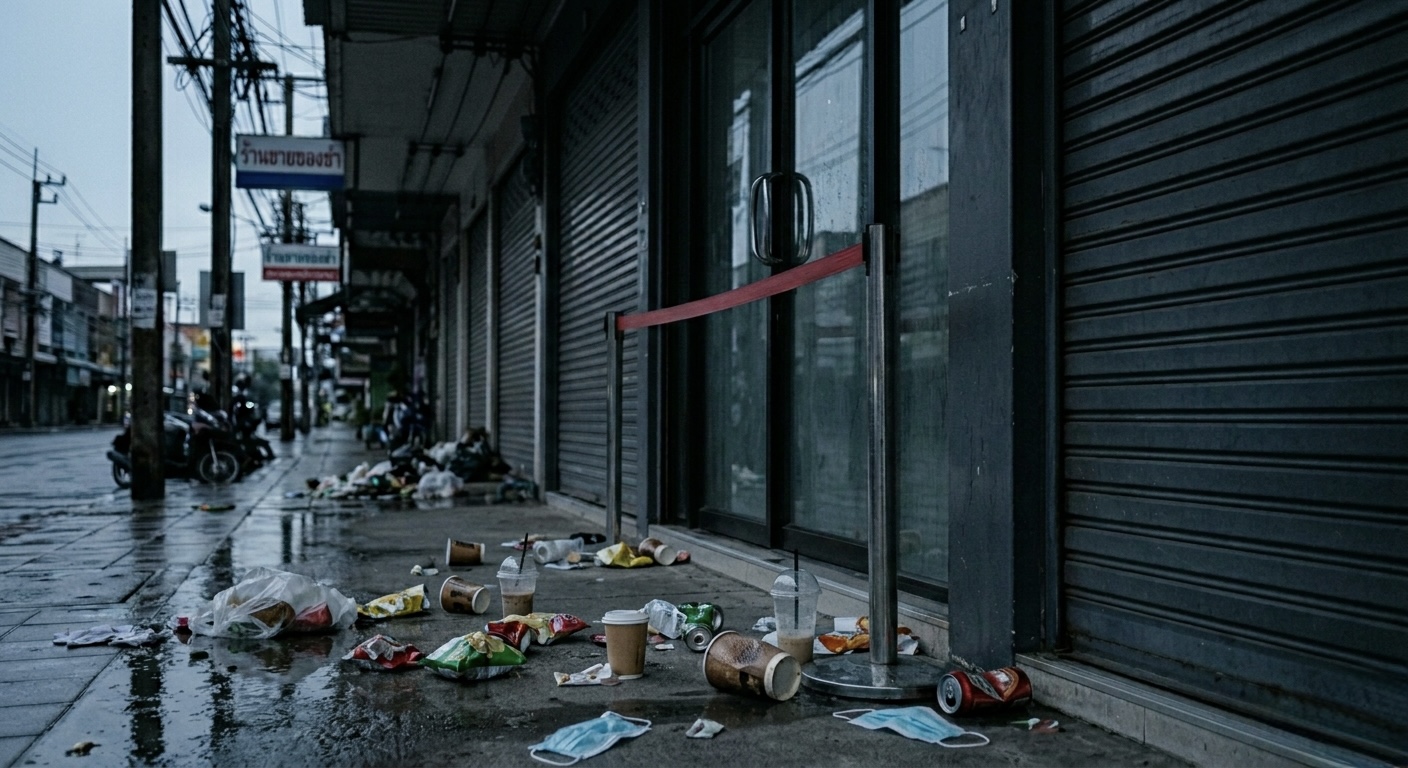
We witnessed something strange again this week. Not a natural disaster, not a political crisis—just the launch of a colorful plastic watch. And yet, grown adults were shoving, shouting, and camping overnight. Social media fed us a slideshow of exhaustion, greed, and barely contained rage. Over a $400 object.
Let’s not pretend this is new. We’ve seen it before: sneaker drops that turn sidewalks into battlegrounds, gaming console releases that empty shelves in seconds, concert ticket sales that crash servers and break hearts. But just because something is familiar doesn’t mean it’s acceptable. And just because a brand didn’t create human nature doesn’t mean it bears no responsibility for what it unleashes.
The Manufactured Storm
Here is the uncomfortable truth: In most of these cases, the brand in question could have done otherwise.
We live in 2026. Online registration systems are mature. Fair lottery draws, transparent queue management, address verification, one-per-customer limits—these are not exotic technologies. They are standard tools in the responsible brand’s toolbox. Some companies have used them beautifully. A certain outdoor clothing brand once famously refused to play the scarcity game altogether, choosing to say, “Don’t buy our jacket unless you truly need it.” Their profits did not suffer. Their dignity grew.
But other brands choose differently. They choose manufactured scarcity. They drip-feed supply into a howling market, then stand back and express surprise when the howling turns ugly. They post polite messages asking people not to queue—after designing a launch that makes queuing the only way to win.
This is not a mistake. It is a business model. FOMO is not a side effect; it is the engine.
The Cost We Don’t Calculate
Brands rarely tally the true cost of these spectacles. Yes, they see sales. They see trending hashtags. But what about the other ledger?
The store employee who had to call security on a screaming crowd. The teenager who camped all night and went home empty-handed, poorer in spirit. The parent who explained to a child why “fair” is not how the world works. The quiet customers—loyal, patient, respectful—who simply stop believing that this brand cares about them.
Social responsibility is not just about carbon offsets or ethical supply chains. It is also about the micro-dignities of everyday commerce. How you sell says as much about your values as what you sell.
Comparisons That Cut
Let’s look elsewhere. The video game industry, for all its flaws, has largely moved to digital pre-orders and staggered access. The chaos of midnight launches has faded, not because demand disappeared, but because companies chose to replace adrenaline with order.
Or consider the high-end watch world itself: Some legacy brands have long used allocation systems that, while exclusive, are at least transparent and respectful. They don’t ask customers to fight in the streets. They ask for patience and build relationships.
Then there is the counterexample of a famous sneaker company that once hyped a limited release so aggressively that it caused actual injuries. After public backlash, they quietly introduced a lottery system. It wasn’t perfect, but it was better. That is the bar: better.
A Question for Decision Makers
So here is the question every brand manager should ask before the next “drop”:
Are we creating excitement or are we creating suffering?
Because excitement is shared joy. Suffering is what happens when you take human desire and wrap it in unnecessary obstacles. You can manufacture the former without engineering the latter. It simply requires a choice.
And let us be clear: No brand is obligated to make infinite products. Exclusivity is not evil. But cruelty—even unintentional cruelty—is different. When you know exactly what will happen (the overnight queues, the chaos, the tears) and you do nothing to prevent it, you are not a neutral observer. You are an architect.
The Better Way
What would a responsible launch look like?
· A one-week online registration window, no advantage for early birds.
· A randomized lottery, published with verifiable results.
· Pickup windows spread across several days to avoid crowding.
· Real-time inventory transparency so no one travels for nothing.
· A simple statement: “We made enough for everyone who registered. If you missed out, we will make more.”
This is not idealism. This is operational decency. And it costs almost nothing compared to the reputational damage of riot scenes on social media.
Awakening
We, the consumers, are not blameless. We feed the frenzy. We refresh the page at 3am. We drive five hours for a chance. But brands hold the louder megaphone. They shape the rules of the game. And when they choose a game that humiliates their own customers, they forfeit the right to call that “marketing.”
The most inspiring companies of the next decade will not be the ones who mastered scarcity. They will be the ones who rejected it—not because they couldn’t create hype, but because they valued human dignity more.
A Closing Thought
Next time you see a brand post, “Please don’t queue,” ask yourself: If you really meant it, you would have made queuing unnecessary.
We are not animals fighting over scraps. We are people who happen to like watches, shoes, tickets, and toys. And we deserve to be treated as such.
The world does not need more manufactured chaos. It needs more brands brave enough to say: We made enough. And even if we didn’t, we made it fair.
That is not weakness. That is responsibility. And it is long overdue.