Inside the Tudor Manufacture: A Visit to Le Locle and Kenissi
For many people, Tudor has long been introduced as Rolex’s sister brand. That is true as a matter of history, and it remains part of the brand’s identity. But to me, Tudor has always stood for something more direct and more immediate: quality, value, exceptional build, and a history that feels earned rather than borrowed. Over the years, that is exactly why I ended up owning more than one Tudor. So when the invitation came to visit the manufacture in Le Locle, I was genuinely excited. I was not going there just to see a factory. I was going to see, up close, the place behind watches I already knew and respected. Tudor is also marking its centenary this year, one hundred years after the name “The Tudor” was registered in Geneva in February 1926 on behalf of Hans Wilsdorf, which gave the visit even more meaning.
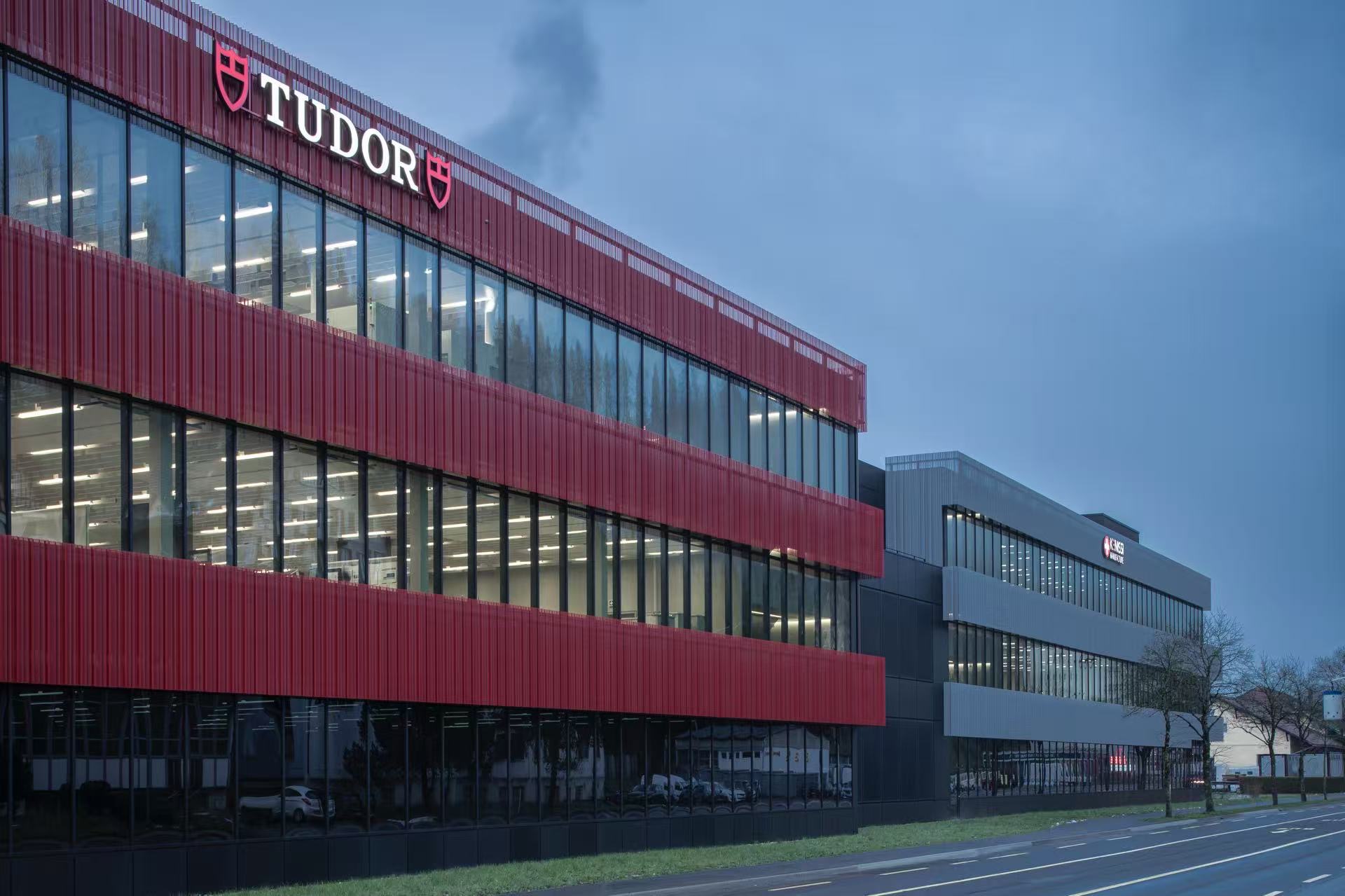
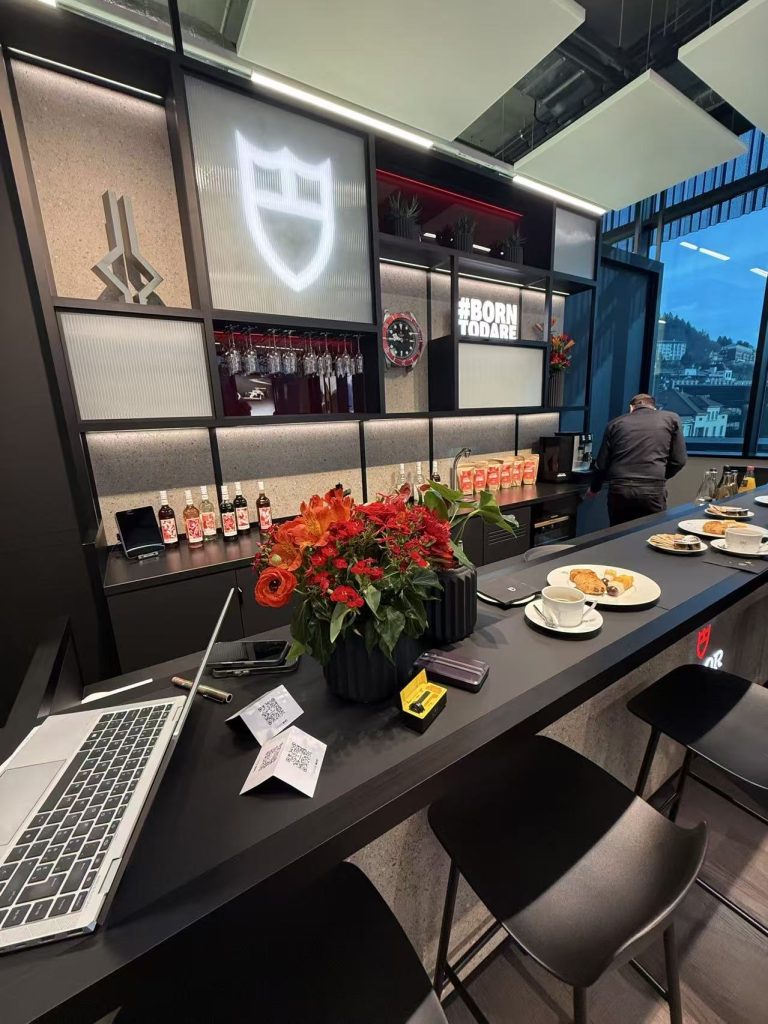
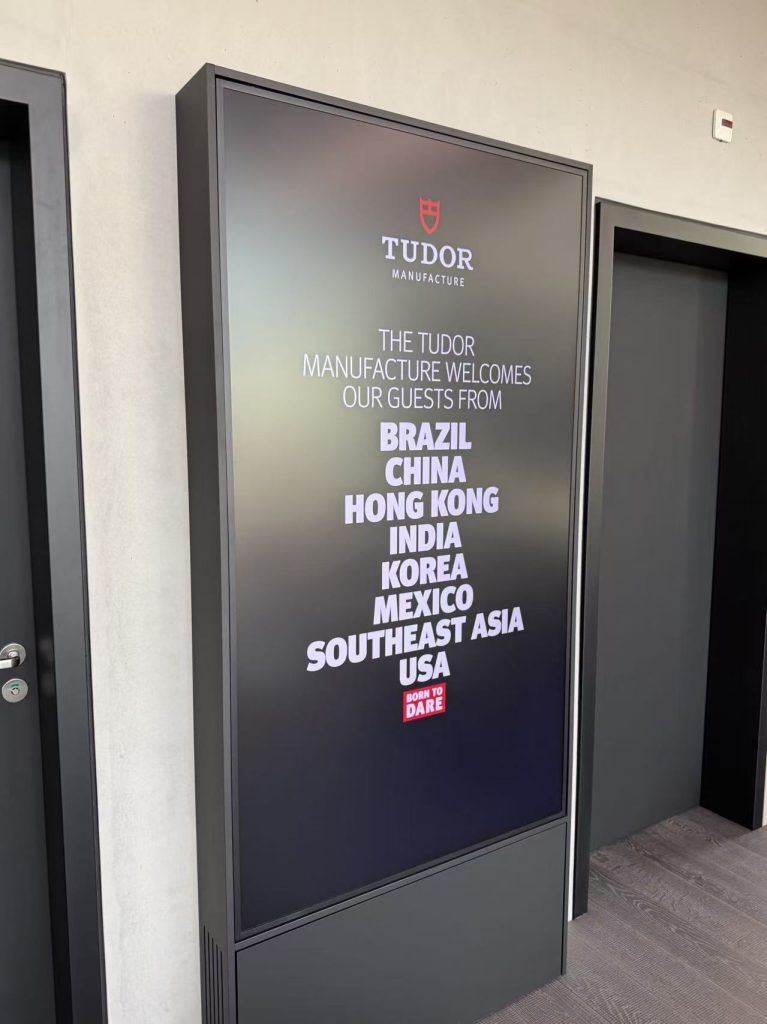
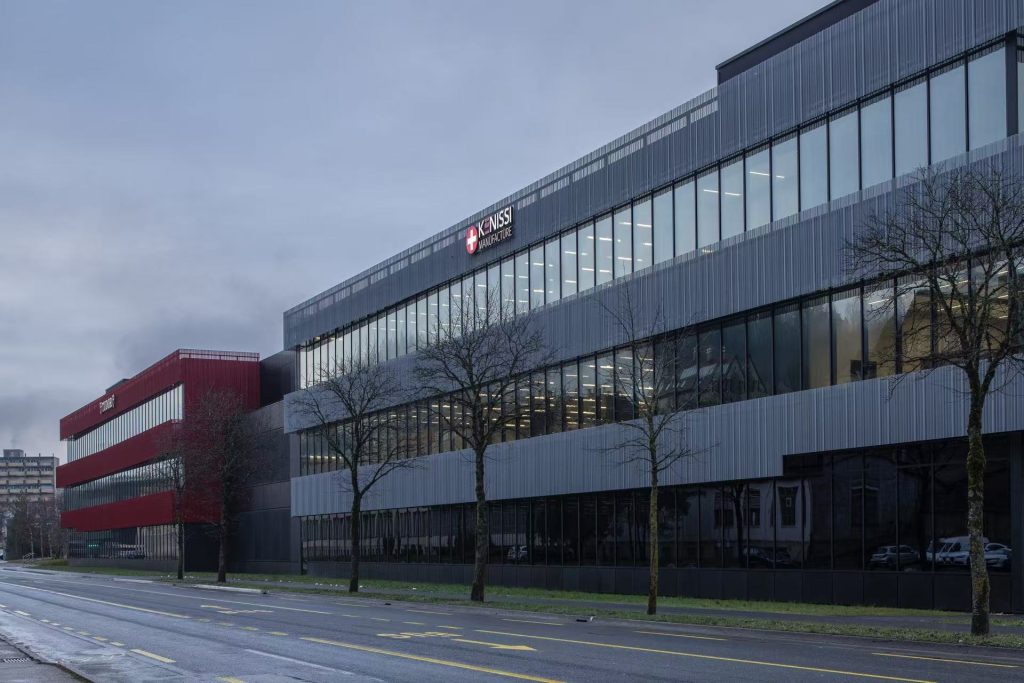
In April, a group of journalist and I went for a visit; we left at 8am with media from all over the world, with Cole Pennington leading the group. The day began in a relaxed way, over morning coffee, with an introduction to the history of the brand and the story of the facility itself. I liked that. It set the tone properly. Tudor did not rush us straight to the product. It began with context. And in this case, the context matters. The Le Locle site is Tudor’s first industrial facility fully dedicated to the brand. Officially, every Tudor watch is assembled and fully tested there. The building was completed in 2021 after three years of construction, spans four levels and 5,500 square metres, and is physically connected to the neighbouring Kenissi manufacture.
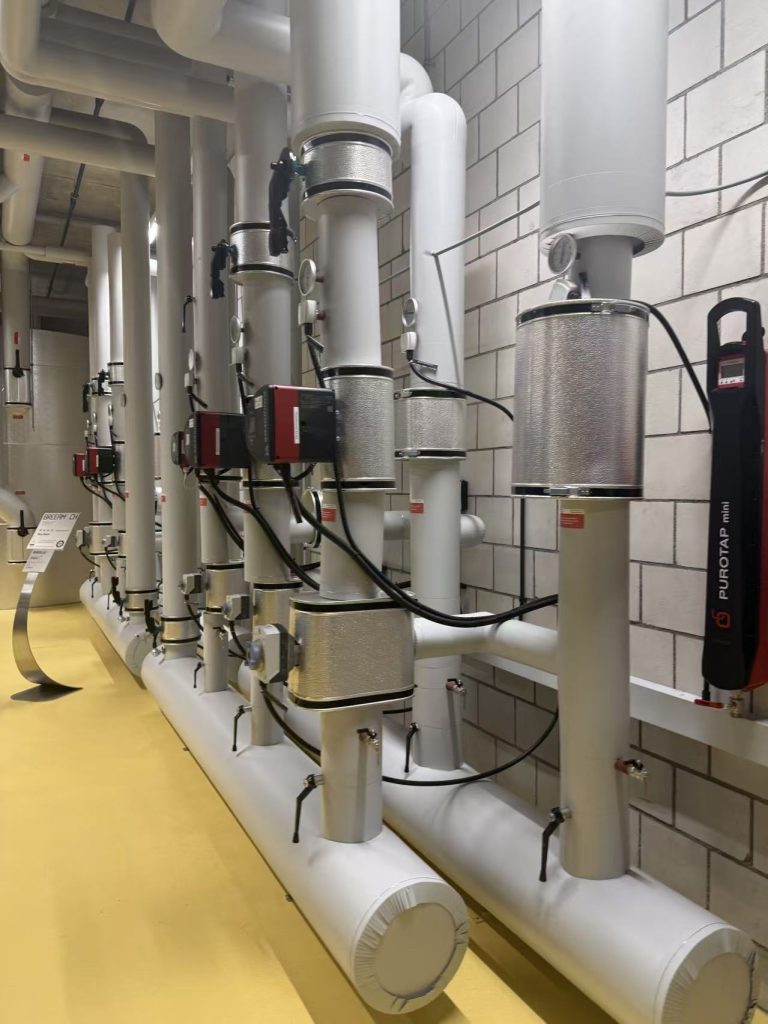
Before getting into the actual watchmaking, they also spoke about the building itself, including the water works and the infrastructure that supports the whole place. That may sound like a small detail, but I thought it was a smart way to frame the visit. It reminded us that consistency in watchmaking does not begin only at the bench. It begins with the environment. Monochrome’s 2026 visit described the manufacture as operating in controlled air conditions, with stable temperature and humidity managed through the HVAC system, because dust and environmental inconsistency are the enemies of reliable assembly. Standing there, that idea felt very tangible. Tudor wanted us to understand that the building is part of the watchmaking.
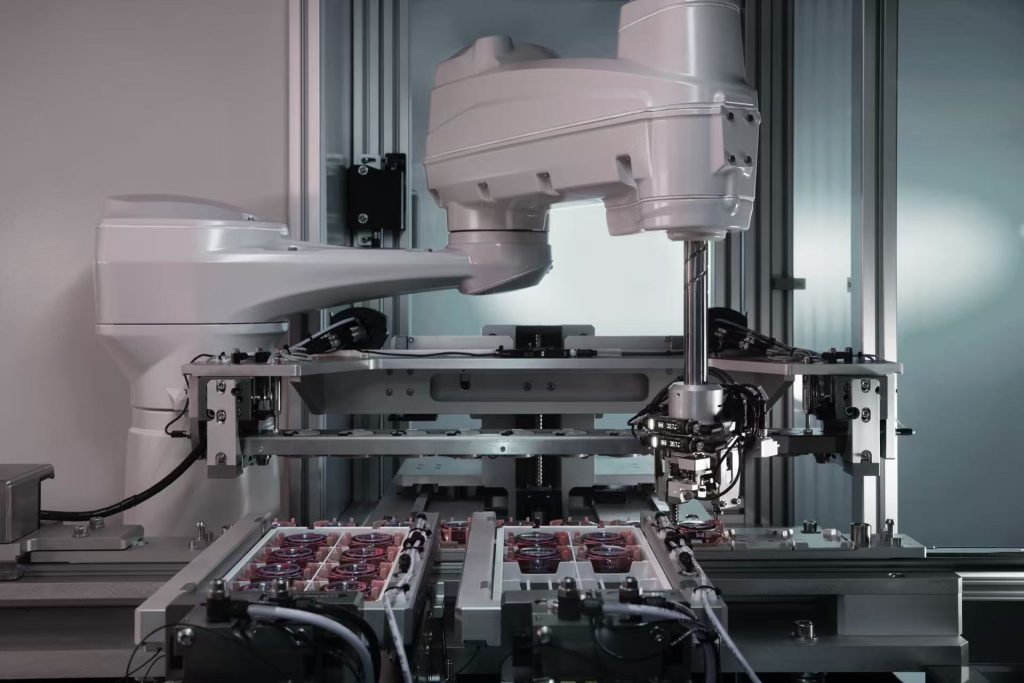
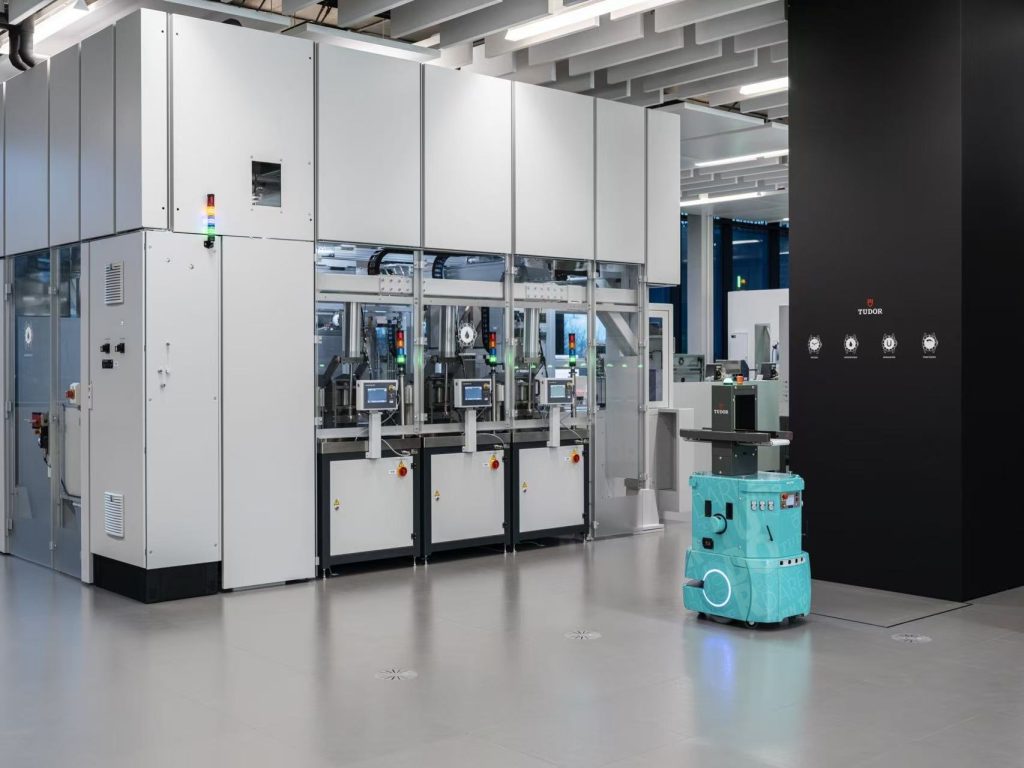
One of the most memorable areas came next, and of course, it was a no-photo zone. This was the inventory system, and it felt genuinely futuristic. It was one of those moments where you realise this is not the old romantic image of a manufacture, with everything moving only by hand from bench to bench. Here, the system is shared between people and machines. Human control is still clearly there, but robotics play a major role in how components are stored, retrieved, and moved across the facility. Monochrome described Tudor’s central stock and dispatch as fully automated, with a “no stock” approach in which watches are produced as needed rather than simply sitting around as inventory. Seeing that in person made a strong impression on me. It did not feel cold. It felt precise.
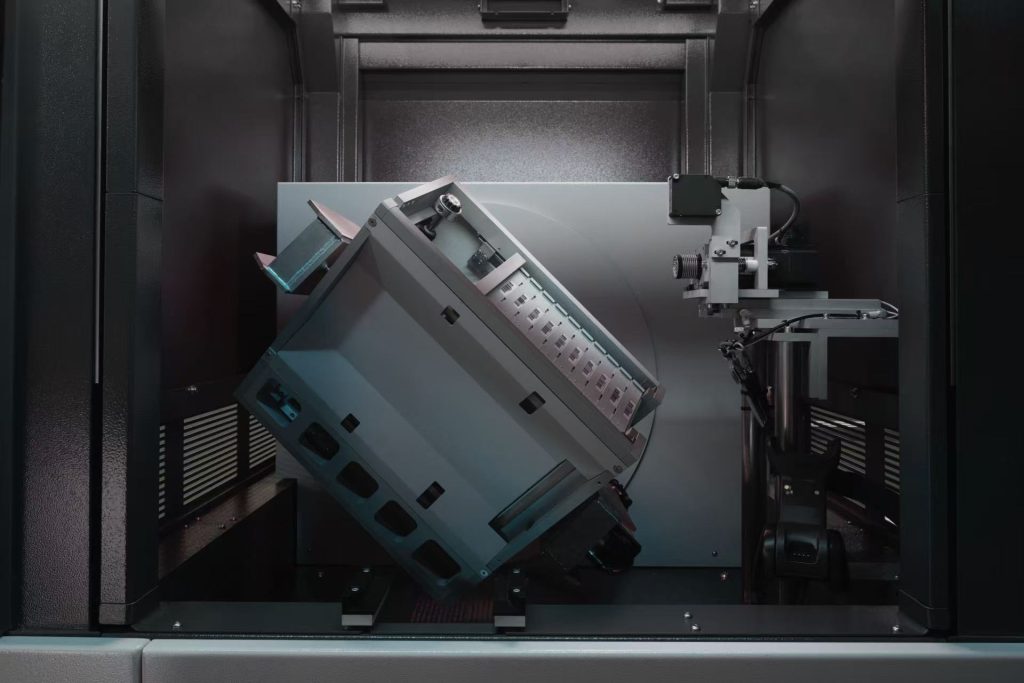
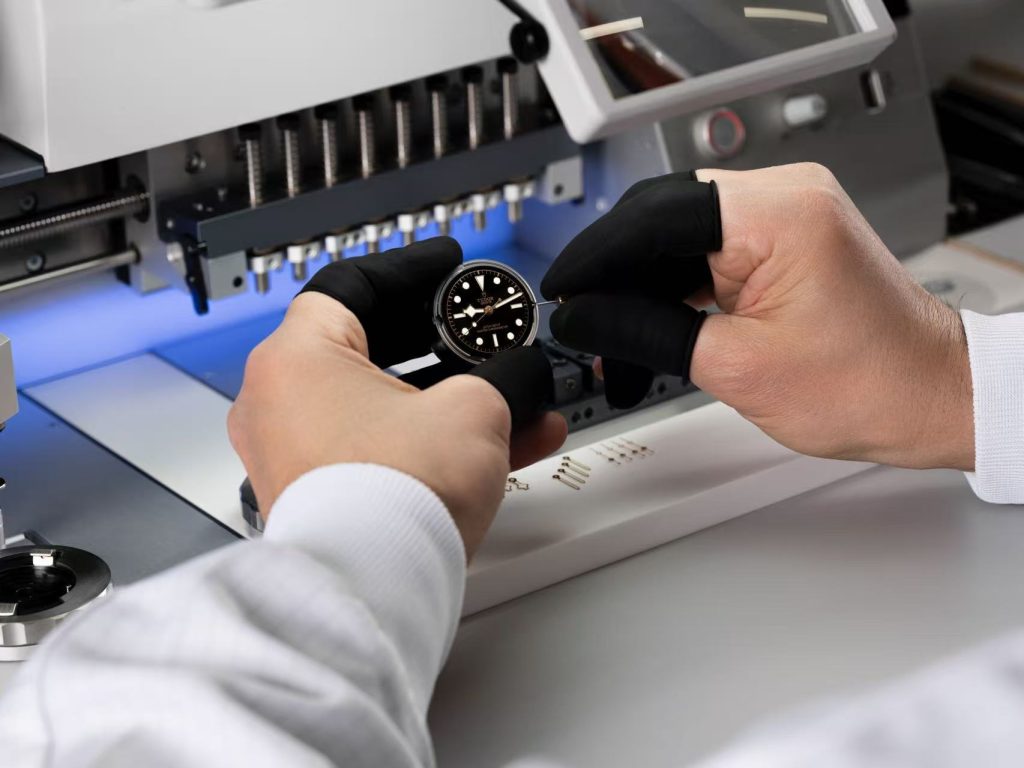
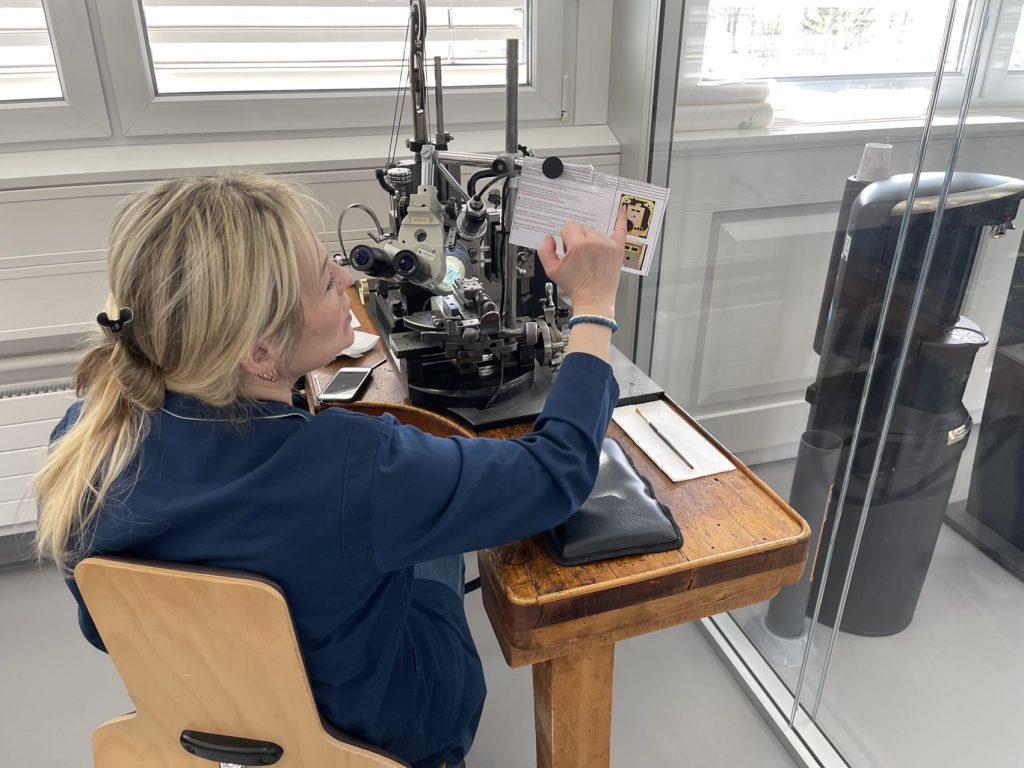
From there, the visit moved into the stages that most people instinctively associate with watchmaking: the assembly of the case, the dial, and the hands. This was probably the point where the visit became most relatable, because even for people who know watches well, it is always different when you see those stages happening in front of you. What I liked was that Tudor did not try to dramatise the process. There was no need. The strength of the place is in its order, its clarity, and its discipline. Monochrome noted that the workflows are organised into dedicated production cells with standardised assembly processes and robotic assistance where useful. That felt exactly right. The human hand is still there, but it sits inside a system built for consistency, repeatability, and scale.
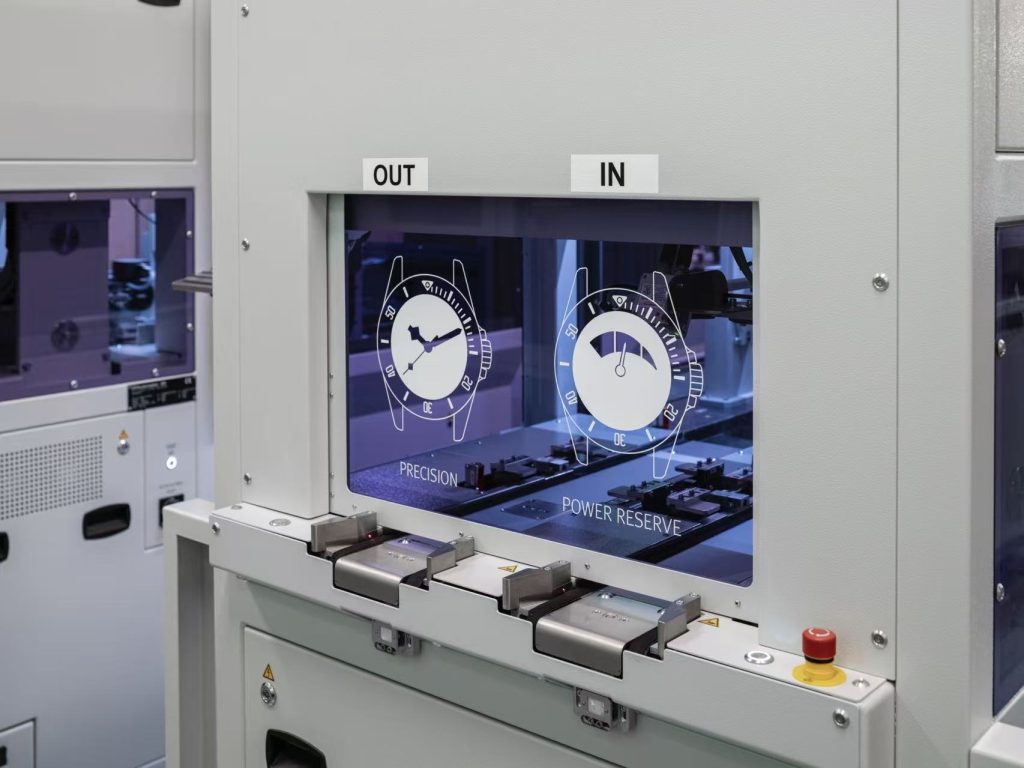
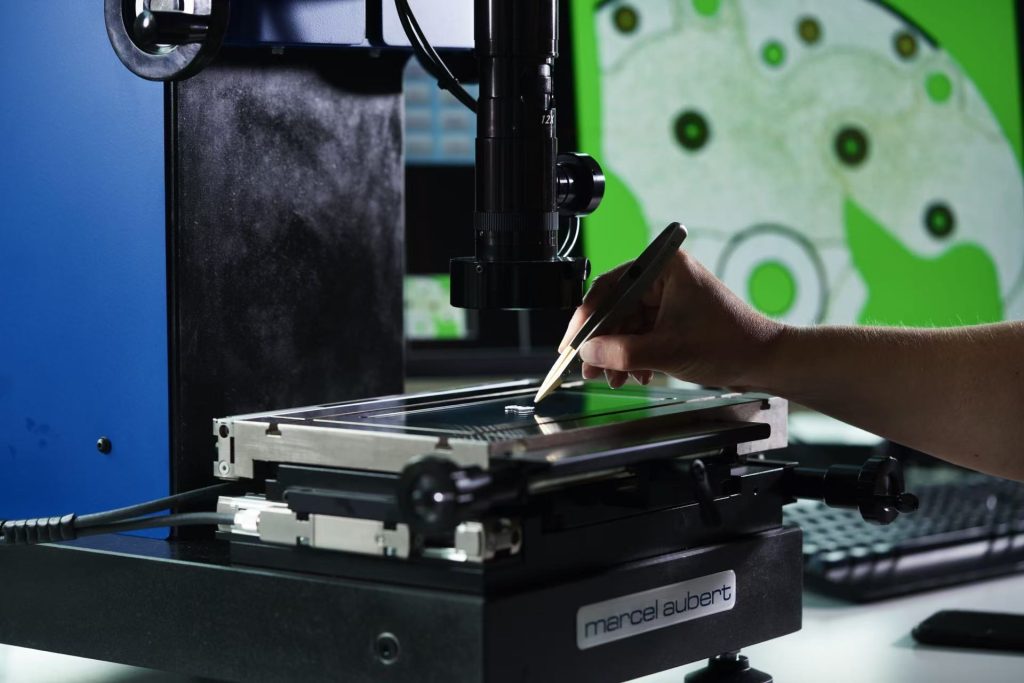
The testing section was another highlight. We saw the COSC and METAS side of the process, and there is even a room occupied by METAS. That detail stayed with me, because it shows how seriously Tudor has built this into the architecture of the manufacture rather than treating it as a marketing layer added afterward. Tudor’s own explanation of METAS is very clear: to qualify as a Master Chronometer, the watch must already have a COSC-certified movement, and then it must meet further standards covering precision, magnetic resistance, waterproofness, and power reserve. The precision requirement is 0 to +5 seconds per day, and the watch also has to maintain accuracy when exposed to magnetic fields of 15,000 gauss. When you see the testing side in person, those numbers stop feeling abstract. They start to feel like part of the brand’s actual rhythm.
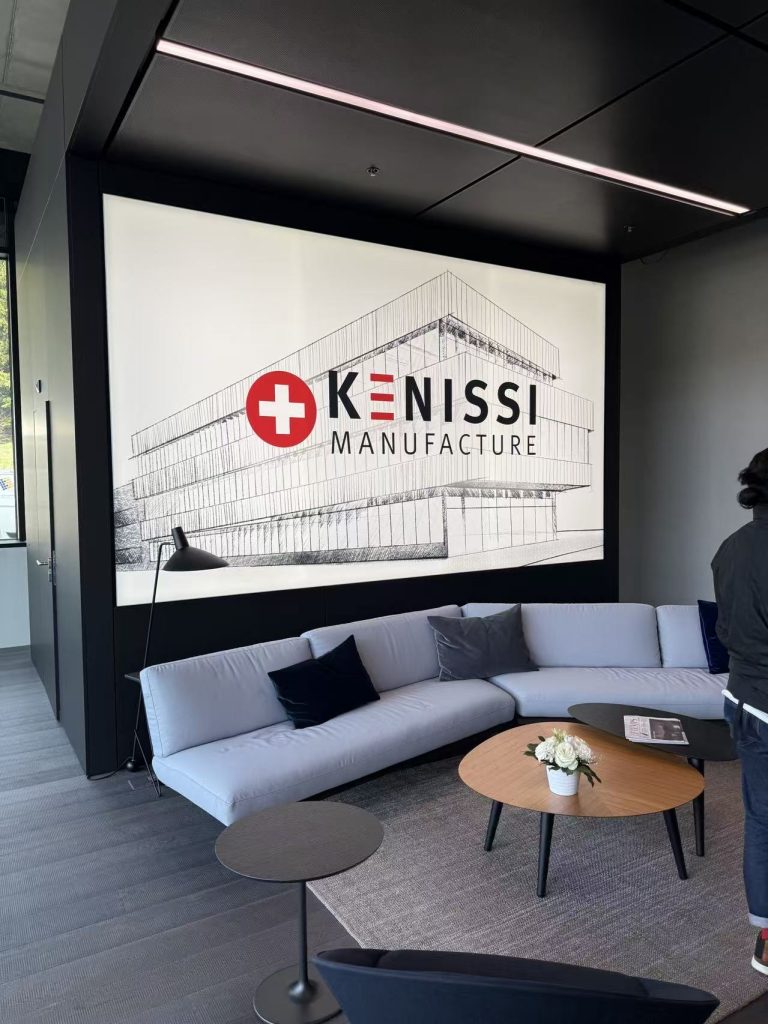
After final packing, we moved on to Kenissi, and for me that was essential. Visiting Tudor alone would already have been worthwhile, but going next door completed the picture. We met the CEO, who gave us a short introduction to Kenissi’s history and partnerships. Public information from Kenissi says the company was created in 2016 to oversee the development and production of Tudor’s movements while also offering its technical expertise to third-party brands. Kenissi’s own history page names Breitling as its first industrial partnership and says it formed an industrial alliance with Chanel in 2018. Monochrome’s 2026 article adds that Chanel became a 20% minority shareholder that year, and that Kenissi has supplied movements to brands including Chanel, Breitling, TAG Heuer, Bell & Ross, Norqain, Fortis, Jacob & Co, and others.
That part of the visit mattered because it changes how you look at Tudor. For a long time, many people understood Tudor mainly through design, heritage, and value. Those things are still there, and they remain important. But after seeing Le Locle and Kenissi together, it becomes much harder to think of Tudor only in those terms. What becomes clear is that Tudor has built a serious industrial foundation under the brand. The watches are still approachable in spirit, but the system behind them is highly considered, highly controlled, and much more substantial than many people probably imagine. Monochrome described Tudor as combining Rolex-level industrial discipline with pragmatic engineering choices, and after this visit, I understand exactly what that means.
What I came away with most was not a sense of spectacle, but a sense of confidence. Tudor did not try to sell us a fantasy of watchmaking. It showed us something more convincing than that: a modern manufacture that knows exactly what it is doing, and why. As someone who already owns and enjoys Tudor watches, that made the visit feel even more satisfying. You always hope that seeing the place behind a brand will deepen your respect for it. In this case, it did.