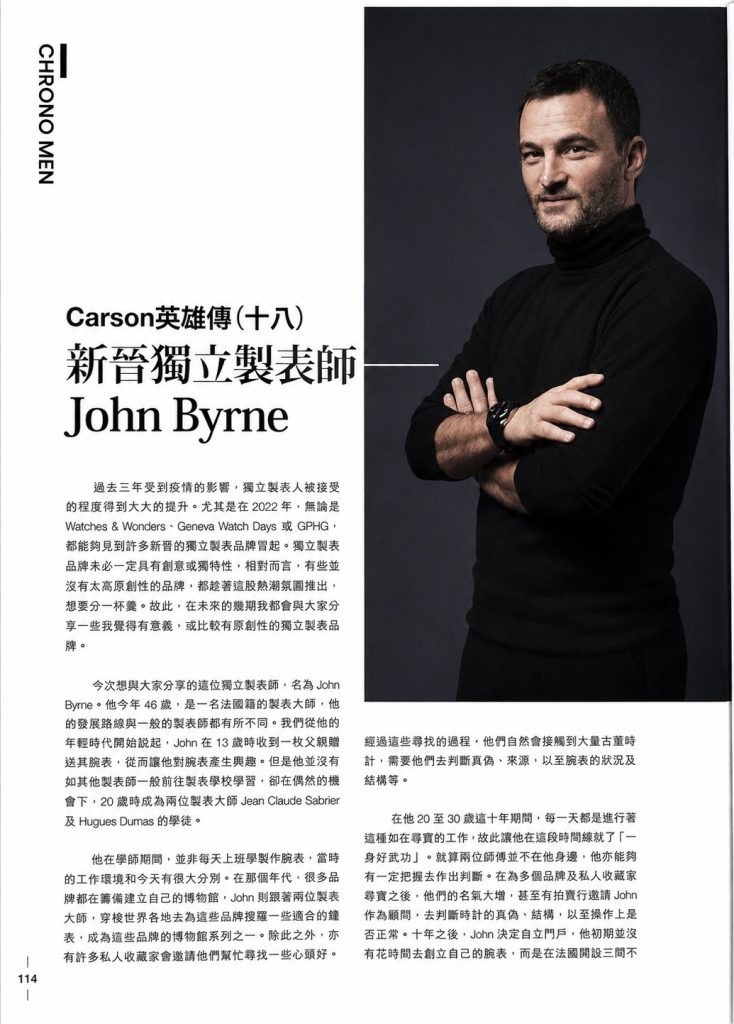
Remembering John Byrne – The Independent Watchmaker Who Gave Time Four Faces
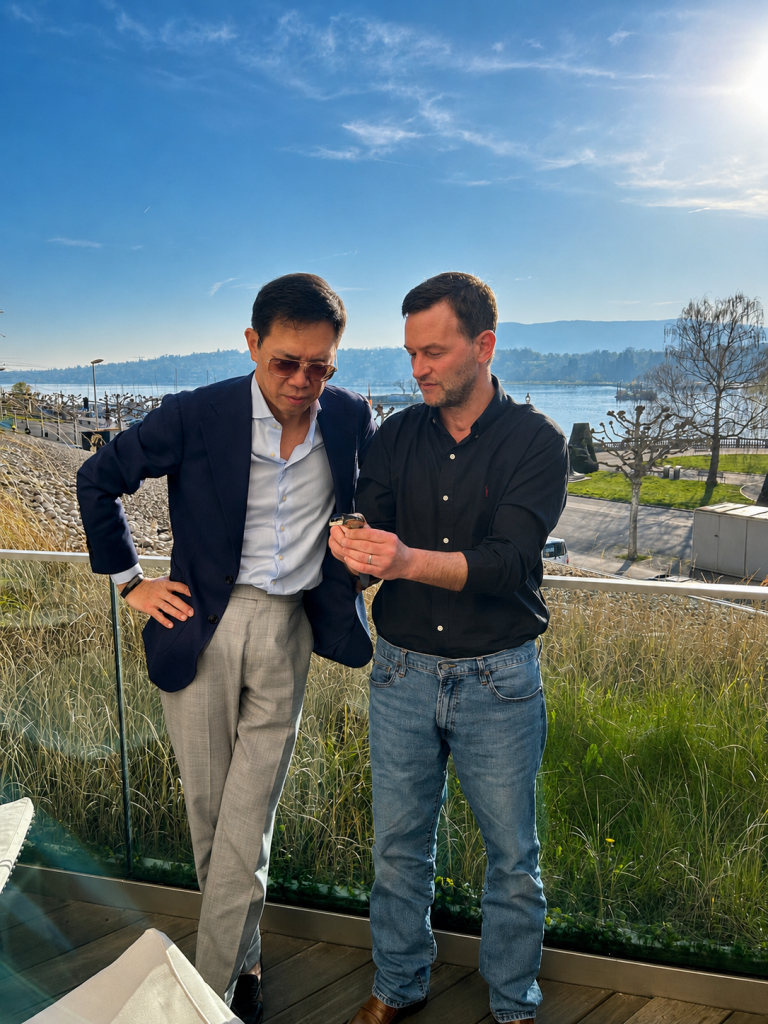
I am truly saddened by the passing of John Byrne. I first met John in 2022 at Geneva Watch Days, during a period when independent watchmaking was gaining extraordinary momentum. It was still a strange time for the world, not far removed from the thick of the pandemic, yet in watchmaking there was a sense that something new was happening. New independent brands were appearing, collectors were paying closer attention, and the industry was becoming more willing to listen to smaller voices with original ideas.
I wrote about John three years ago because I felt his story deserved attention. Independent watchmaking is not automatically interesting simply because it is independent. Some young brands arrive with more marketing than substance, while others rely heavily on familiar design codes. John was different. His work had a real idea behind it. It was personal, mechanical, playful, and original.
John’s path into watchmaking was not a typical one. In my earlier article, I wrote that he received a watch from his father when he was thirteen, and that this became the beginning of his fascination with watches. By the age of twenty, he was learning from two respected figures, Jean Claude Sabrier and Hugues Dumas. But his early education was not simply about sitting at a bench and learning how to assemble watches in the conventional sense. Much of his formative experience came from restoration, research, and the search for important timepieces.
At that time, many watch brands were beginning to build or strengthen their own museums and historical collections. John travelled with these masters to help locate suitable clocks and watches for brands, museums, and private collectors. This was a very different kind of watch education. It required more than technical knowledge. It required the ability to judge authenticity, provenance, condition, originality, and construction. It also required patience and instinct — two qualities that later became very visible in John’s own work.
After years of this experience, John eventually opened his own workshop in France. At first, he was not trying to create his own watch brand. He focused on restoration, maintenance, and helping clients locate rare and meaningful pieces. In many ways, this background explains why his later work did not feel like a design exercise created from the outside. He had spent years looking at watches from the inside, both mechanically and historically.
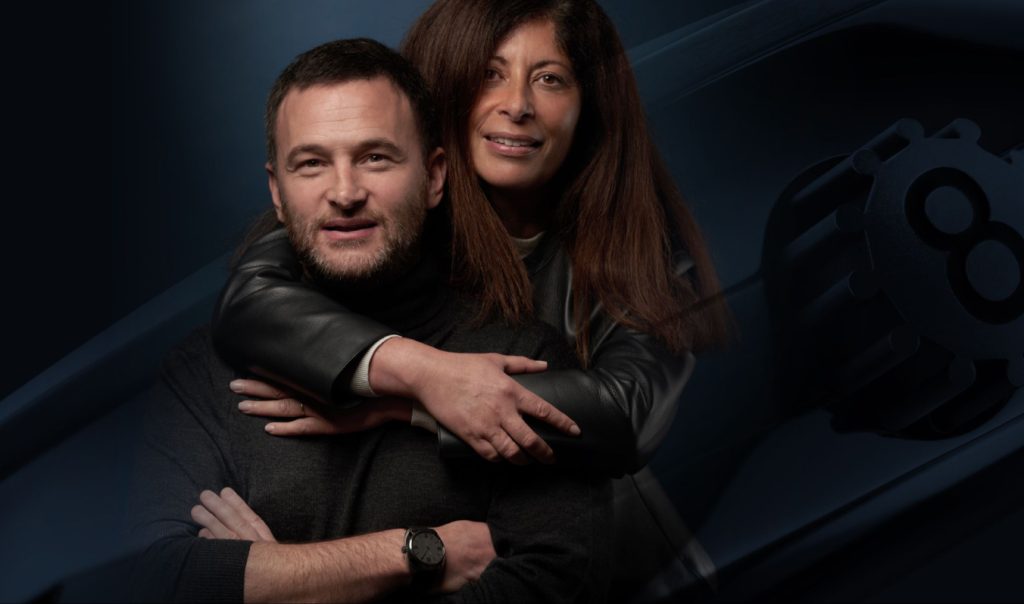
The next important figure in the story is Claire Cohen, John’s wife and partner. In my Chinese article, I wrote about how Claire and John had known each other for more than two decades and how she came from the world of fashion and management. Public sources also describe Byrne as a project shaped by both John and Claire: John as the creative and technical mind, and Claire as the person who helped build the structure, relationships, and business side of the brand. Byrne was not only the story of a watchmaker at a bench. It was also the story of a partnership.
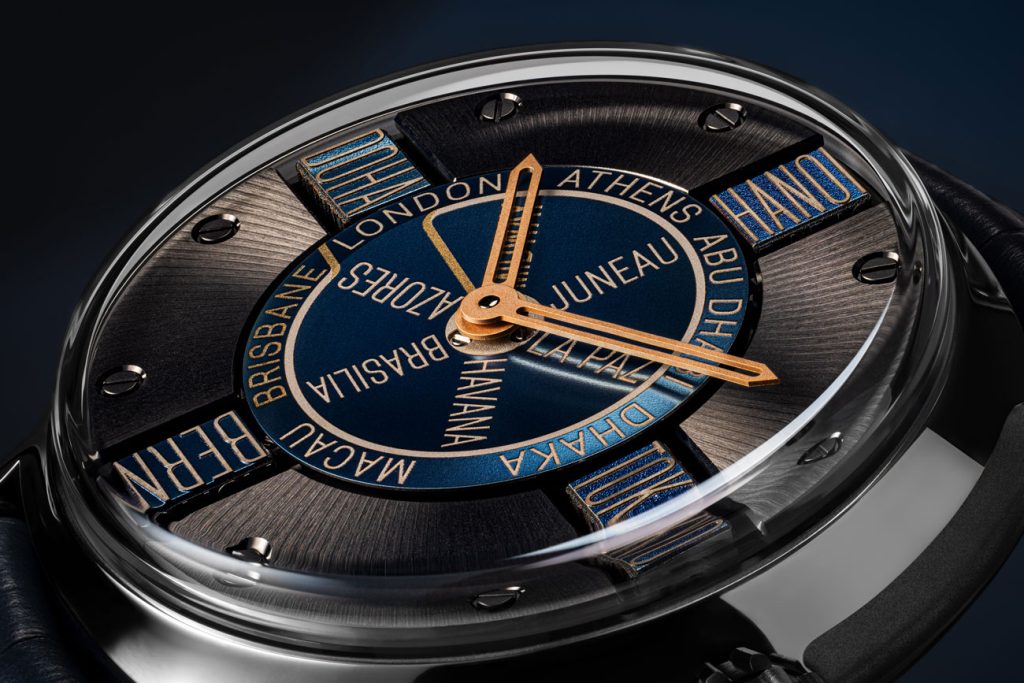
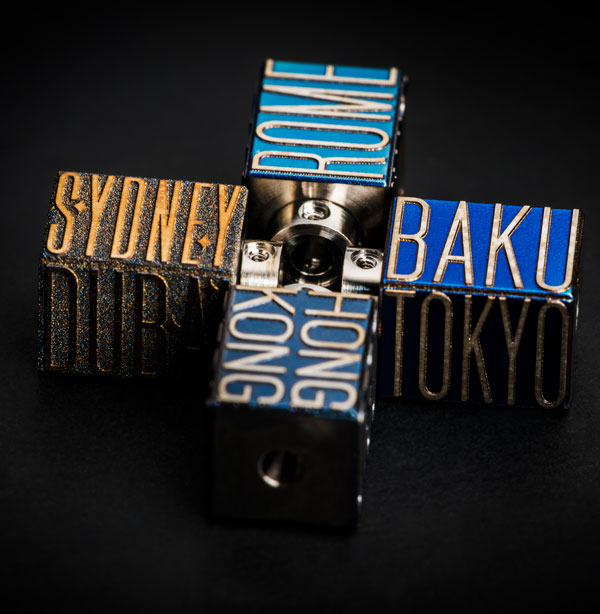
The idea that became Byrne’s signature watch came from an unexpected place. Around six years before the brand’s launch, Claire brought John to see George Balanchine’s Apollo at the Paris Opera. During the performance, John was struck by the dancers’ movements. To him, the arrangement of the dancers suggested one figure with several different faces. That image stayed in his mind and gradually became the foundation of the GyroDial concept: one watch, four faces.
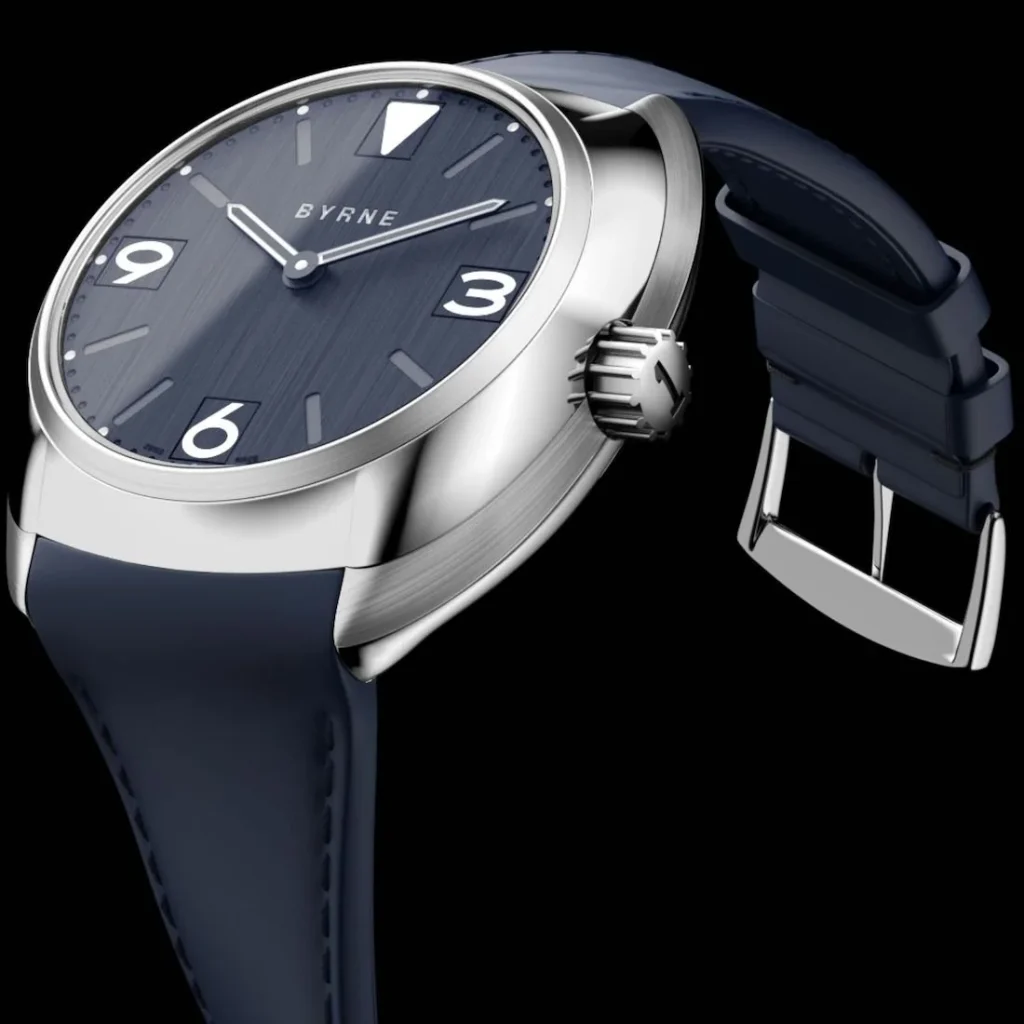
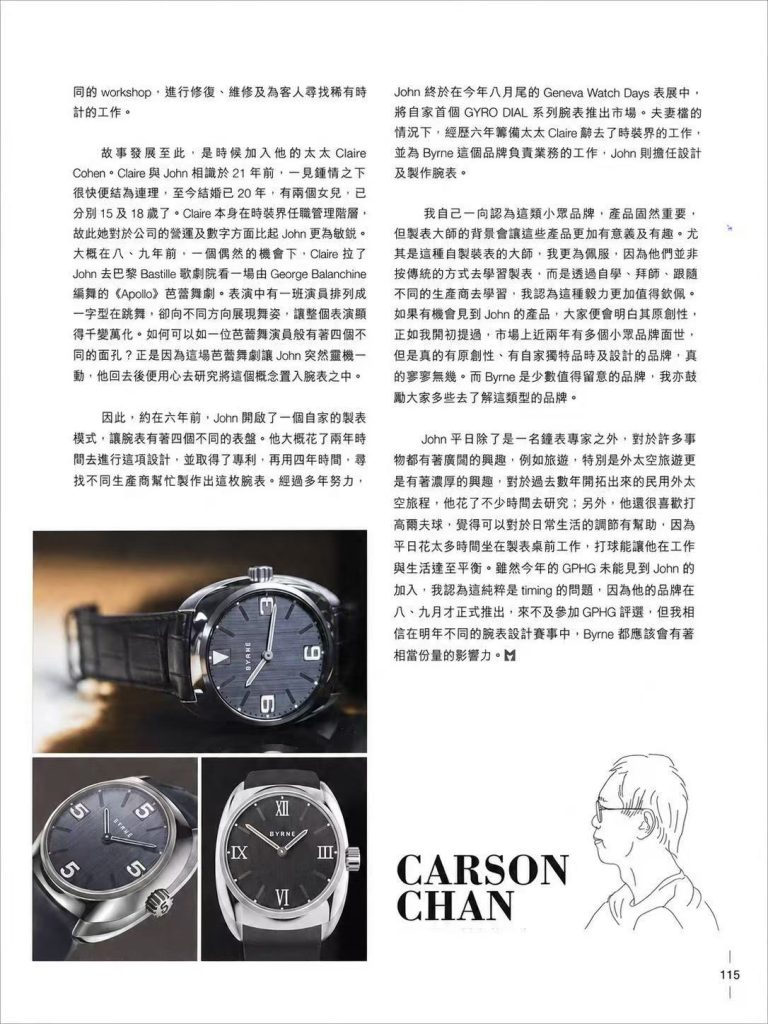
This is where John’s originality became clear. The GyroDial is based on four rotating hour markers positioned at 3, 6, 9 and 12 o’clock. At midnight, or on demand, these markers rotate and reveal a different set of indications. In one moment, the watch can show one personality; in the next, it can become something else entirely. Roman numerals, Arabic numerals, baton markers, symbols, or bespoke motifs can all be integrated into the system. The idea is immediately understandable, but mechanically it is far from simple. Public reports describe the complication as patented, with the four cardinal indexes changing their appearance every night at midnight or on demand.
For me, this was the charm of John’s work. The GyroDial was not a complication created merely to impress other watchmakers. It was a complication that any collector could understand at first sight. It gave the wearer a sense of interaction and surprise. In a market where personalisation often means a different strap, a different dial colour, or a limited-edition engraving, John approached the idea from the mechanism itself. He created a watch that could change its expression while remaining the same watch.
That sounds simple, but it is precisely the kind of simplicity that is difficult to achieve. Many independent watches are technically impressive, but not always emotionally direct. John’s watch had both. It had a clear mechanical idea, but also a sense of theatre. Perhaps this is why the ballet inspiration feels so appropriate. The movement of the dial was not just a technical function; it was a performance.
Byrne officially emerged on the international stage around Geneva Watch Days in 2022. Public sources record the brand as having been launched by John and Claire Byrne during that period, with the GyroDial as its debut piece. Within a short time, the brand began attracting attention from collectors and retailers in different markets. One report noted that around a year and a half after launch, Byrne had sold about 200 watches and was building distribution in France, Germany, Japan, and the United States.
When I first saw the watch, what struck me was not only the changing dial. It was the fact that the idea felt complete. The watch had a reason to exist. It was not another independent brand trying to borrow credibility from vintage codes or exaggerated finishing language. It had its own game, its own personality, and its own visual signature.
That matters, because originality is becoming increasingly rare. In recent years, the independent watch scene has grown very quickly. This is good for collectors, but it also means more noise. Many brands appear, many disappear, and not every new idea has lasting value. Byrne stood out because John had created a mechanism that could continue to develop. The GyroDial was not only one watch; it was a platform. It could become more poetic, more technical, more decorative, or more personal depending on where the brand wanted to take it.
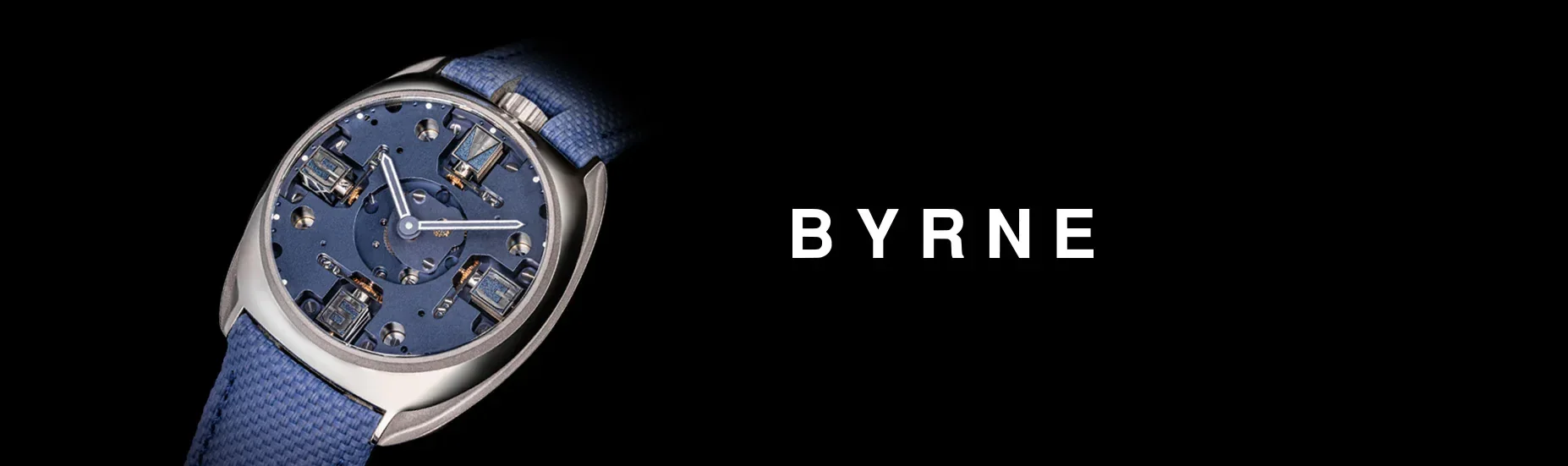
We already saw signs of this. The GyroDial Zero exposed more of the mechanism and gave the watch a stronger architectural presence. The Golf edition used the same concept in a more playful way. Later, the Byrne Star and smaller 38 mm direction suggested that the brand was continuing to refine the idea for different collectors and different wrists. These developments showed that John had not simply created a novelty. He had created a language.
John was also someone whose interests went beyond watches. In my original article, I mentioned his love of travel, space travel, golf, and the way small pleasures in daily life often gave him ideas. That is important, because the best independent watchmakers are rarely only technicians. They are observers. They take impressions from the world around them and translate them into mechanics. John’s work had that quality. It did not feel detached from life.
Looking back today, I feel even more strongly that Byrne was a brand worth paying attention to. It represented the kind of independent watchmaking I admire: not loud, not derivative, and not built only around scarcity. It had imagination. It had mechanics. It had a human story behind it.
John’s passing is especially difficult because his brand was still young. The journey was still developing. There was clearly more to come, more to explore, and more to say through the GyroDial concept. But even in a short time, John left behind something meaningful. He reminded us that independent watchmaking still has room for genuine surprise. He showed that a new complication does not need to be cold or overly academic. It can be joyful, understandable, and deeply personal.
When I think of John now, I think of someone who dared to build a watch around an image that stayed in his mind — dancers on a stage, moving as one body with different faces. From that moment, he created a watch that changed its expression every day.
In the end, that may be the most fitting way to remember him. John Byrne gave time four faces, but the soul behind them was always his own.