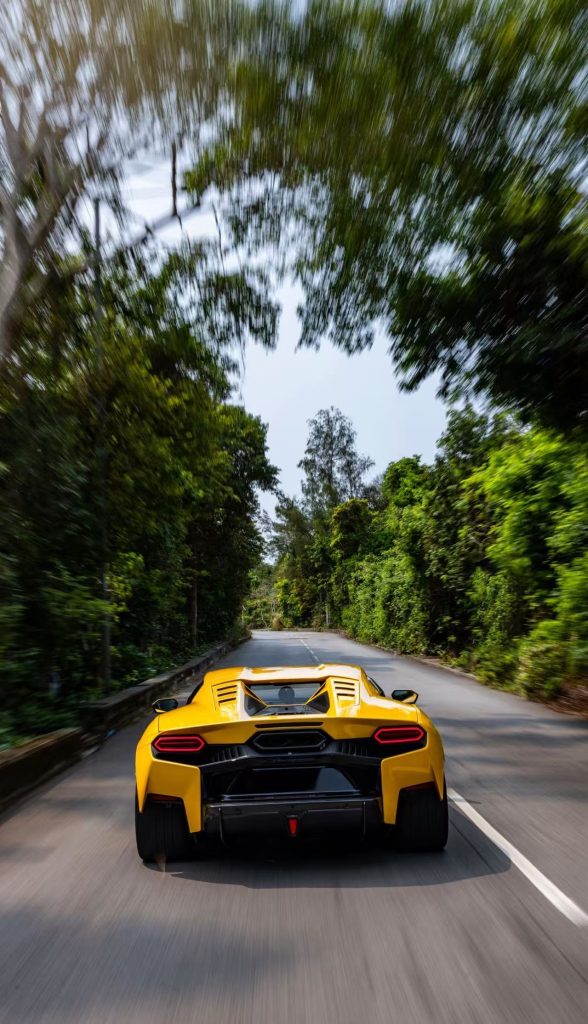
Lamborghini’s Hybrid Future Feels Better on a Hong Kong Back Road
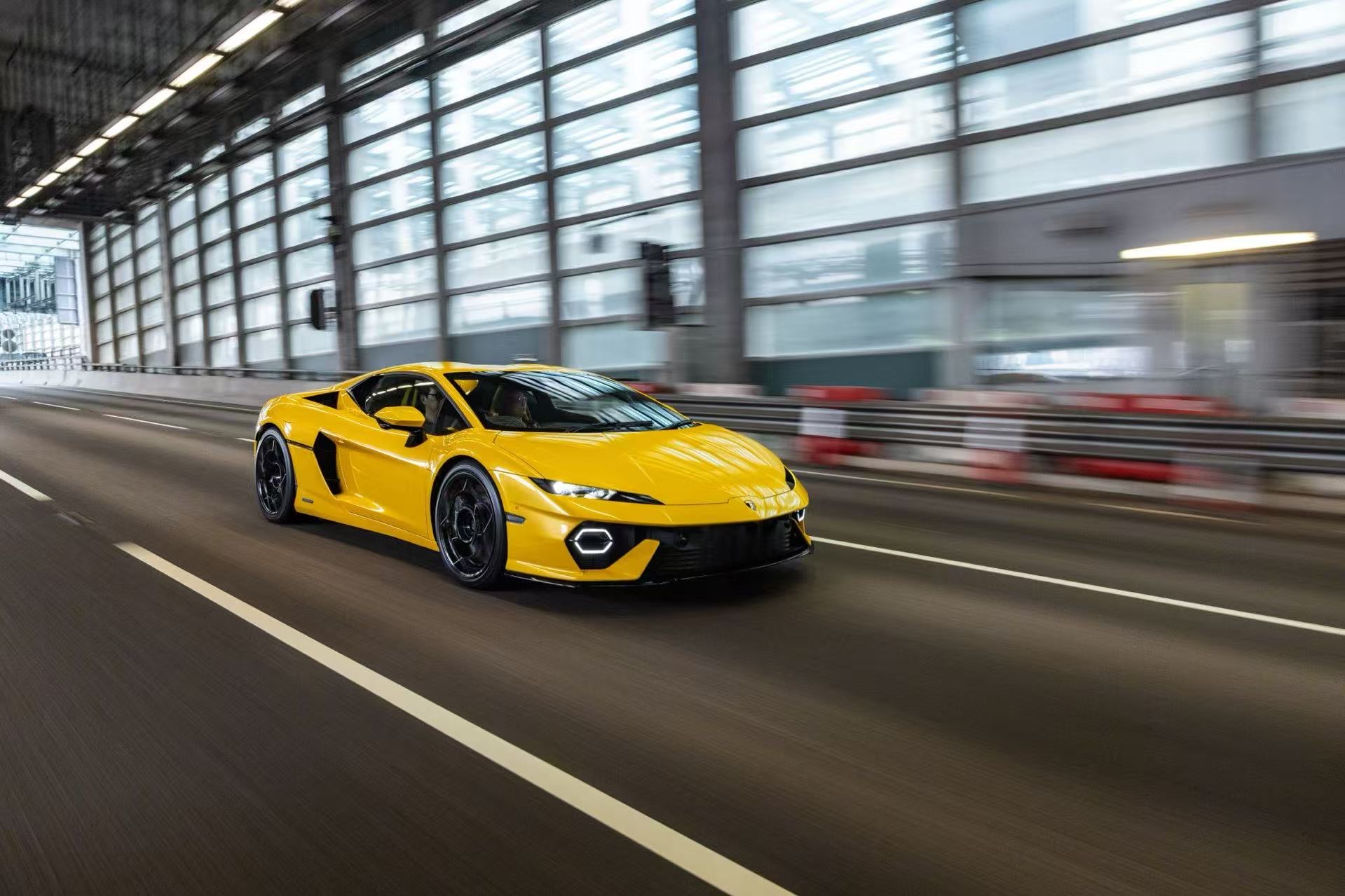
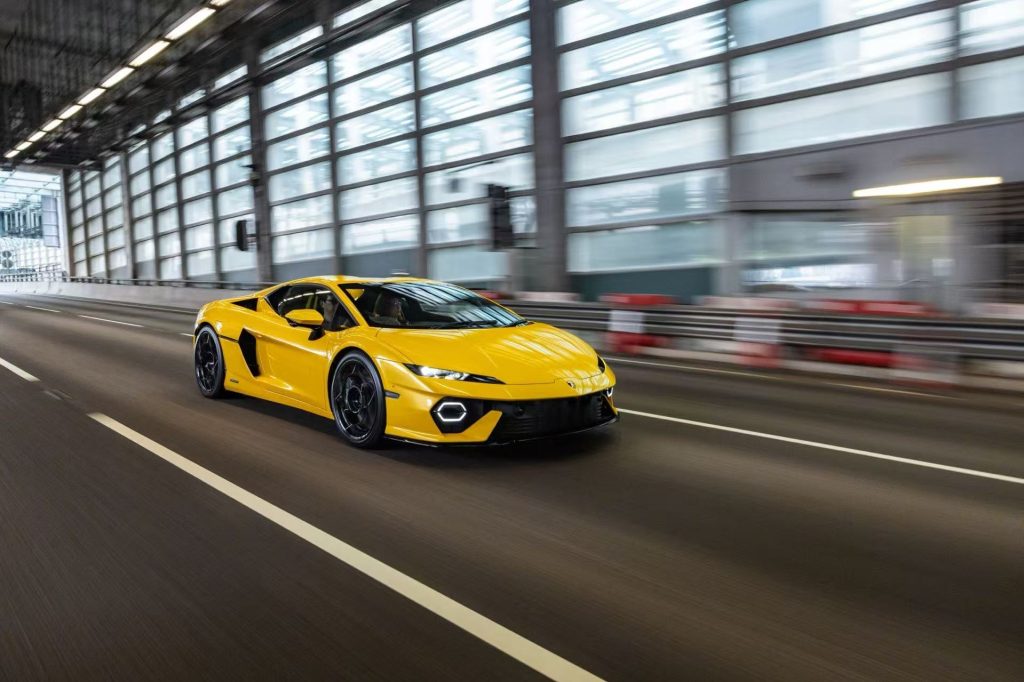
Some cars are difficult to judge in Hong Kong because the city rarely gives them the environment they were built for. The latest Lamborghini Temerario is not one of them.
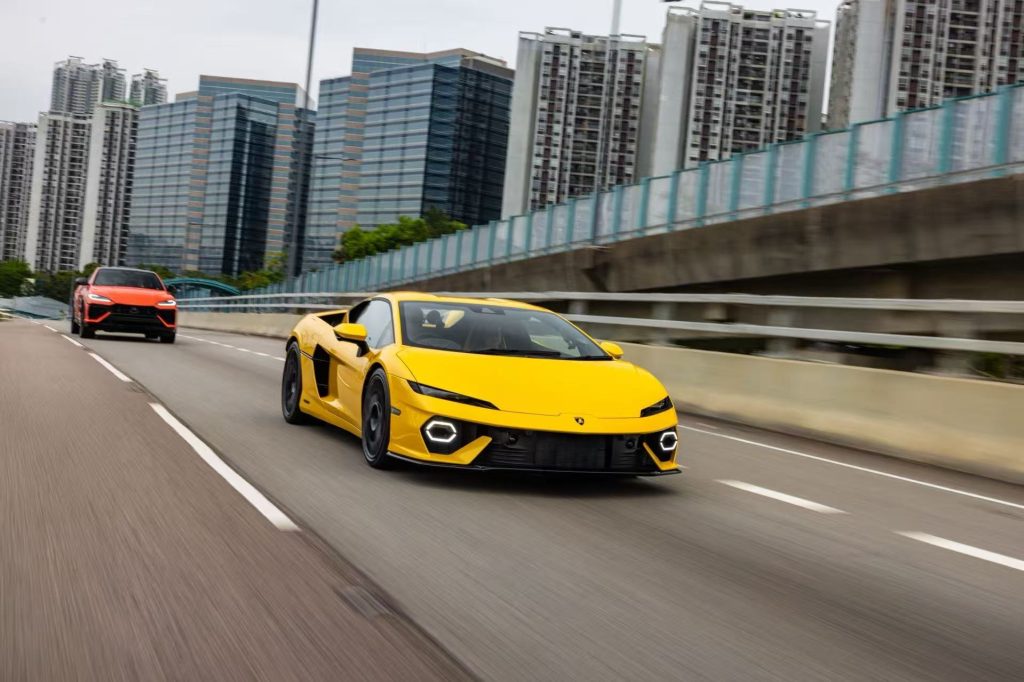
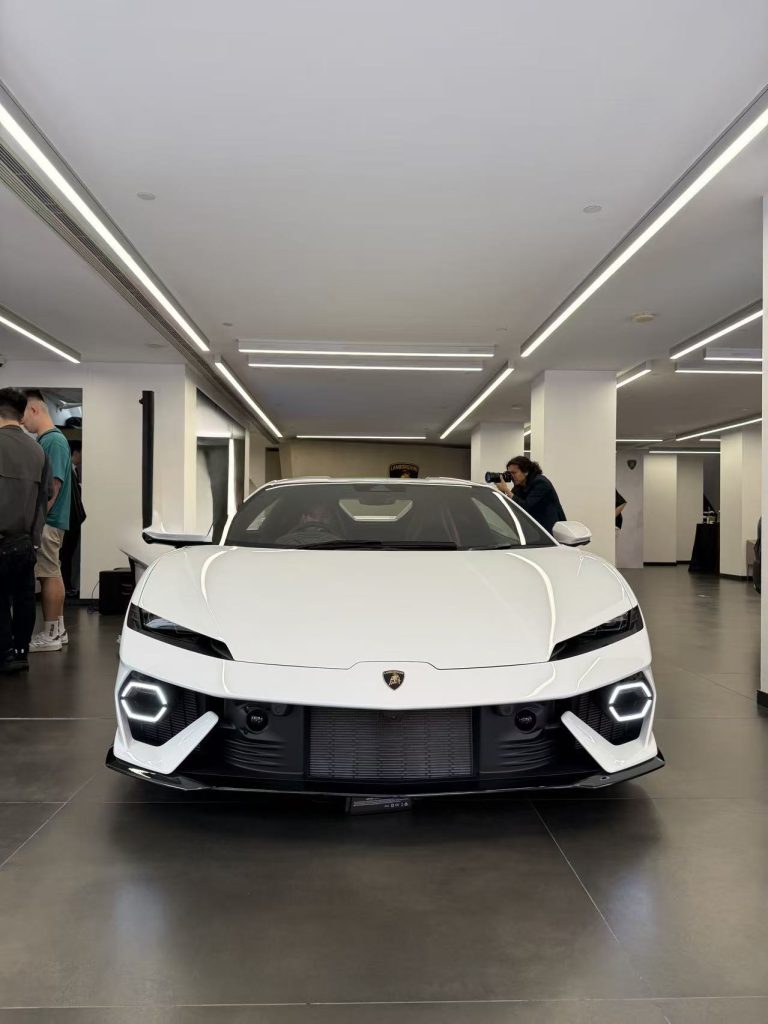
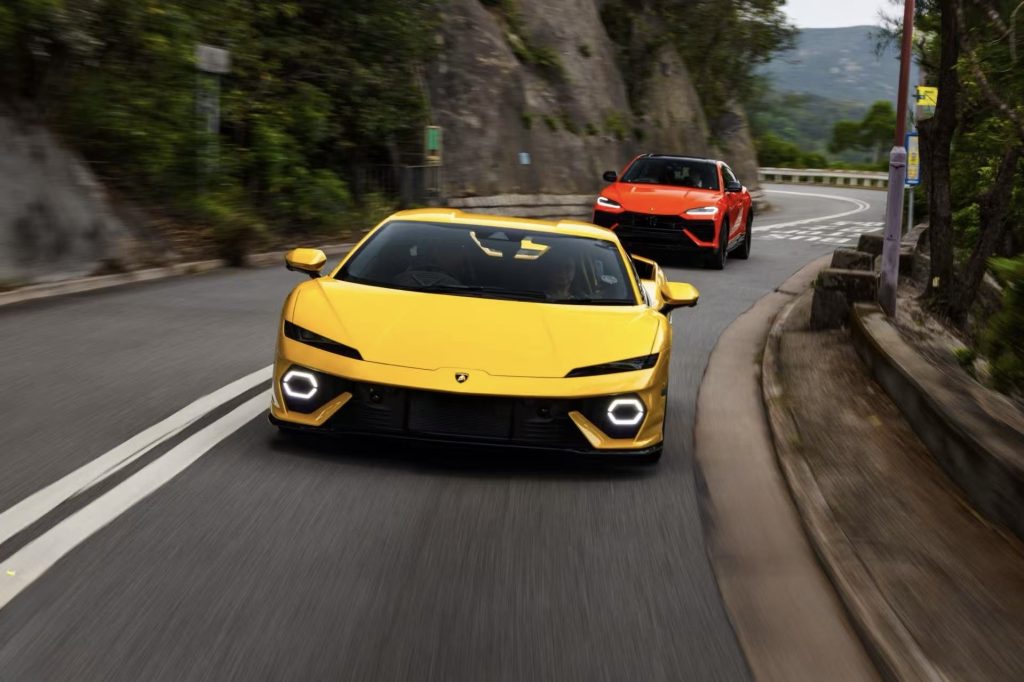
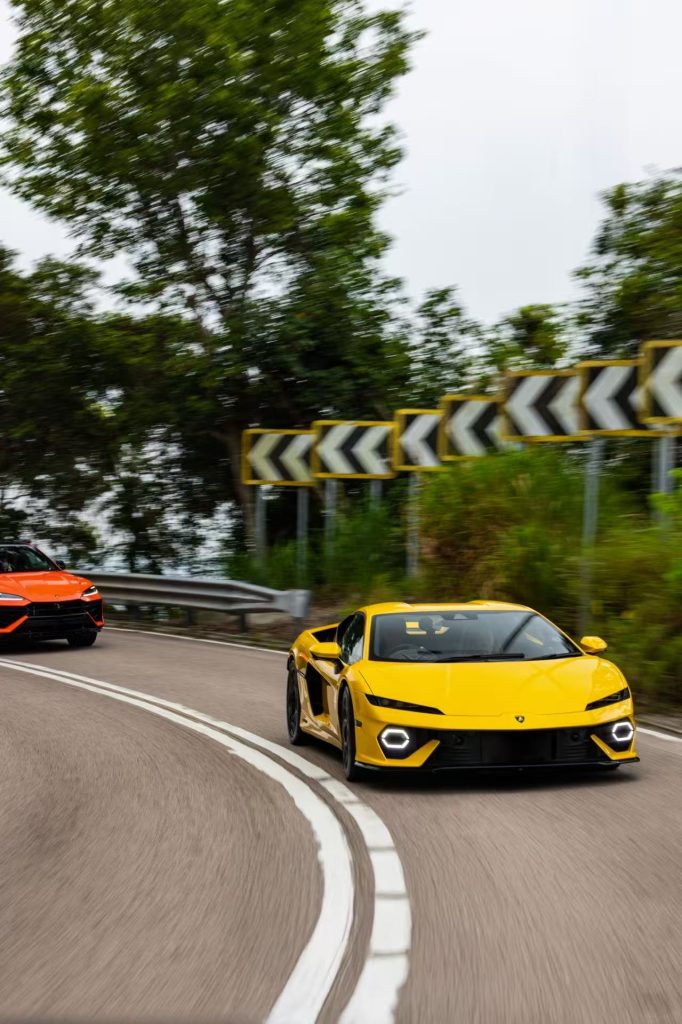
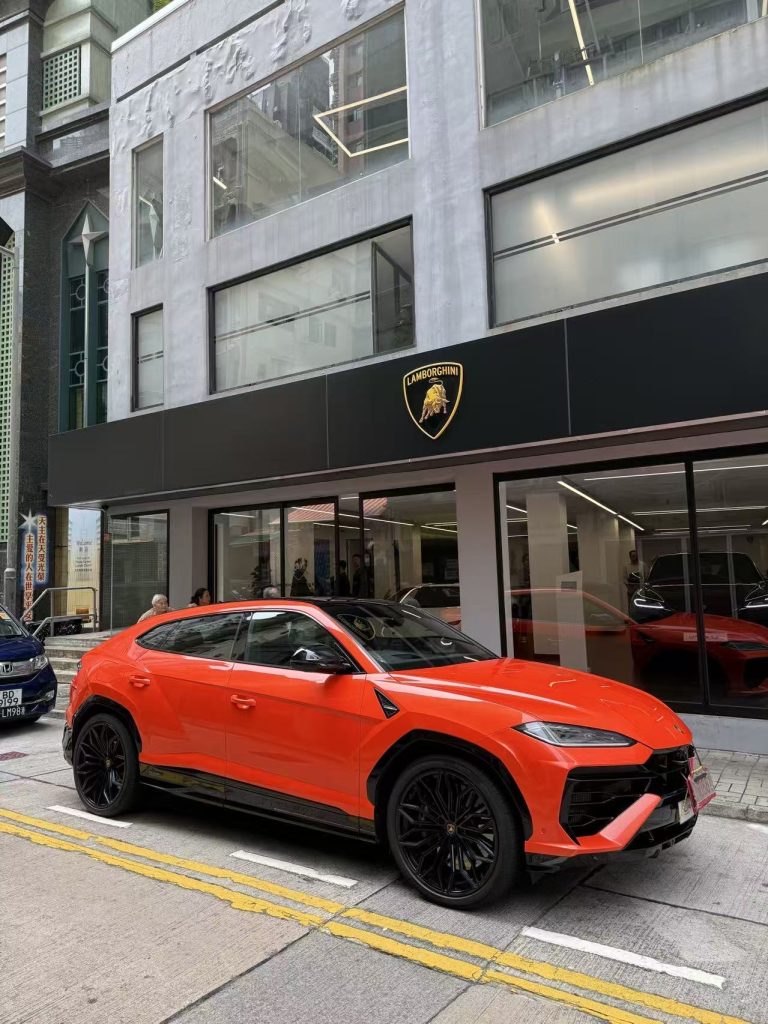
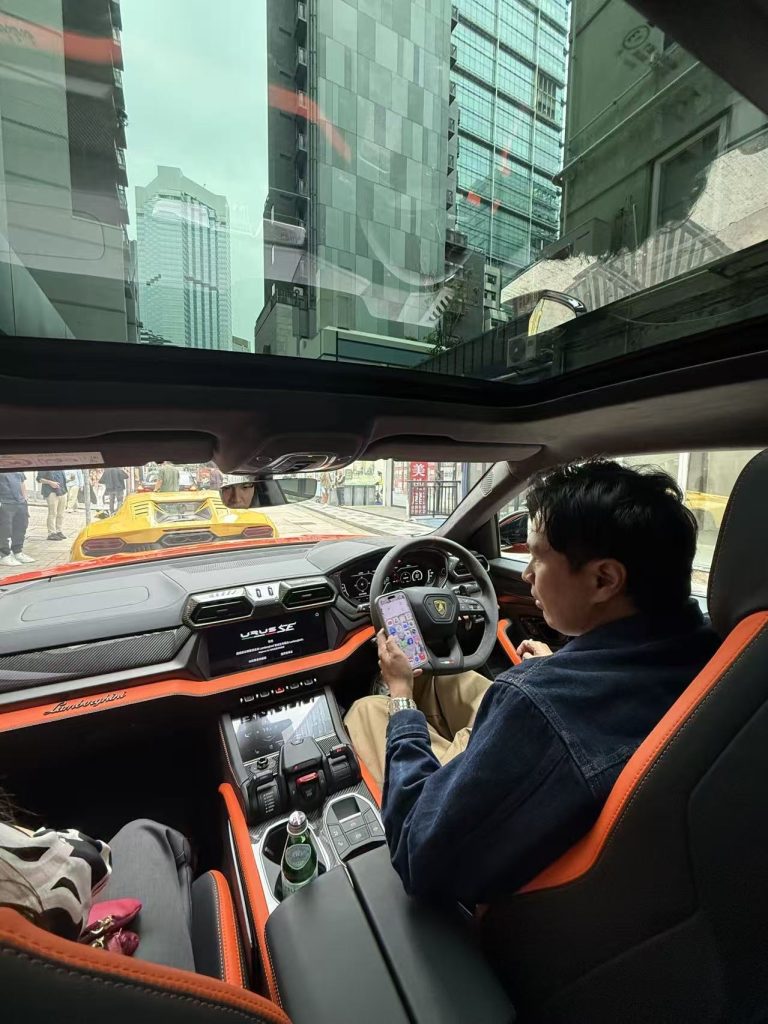
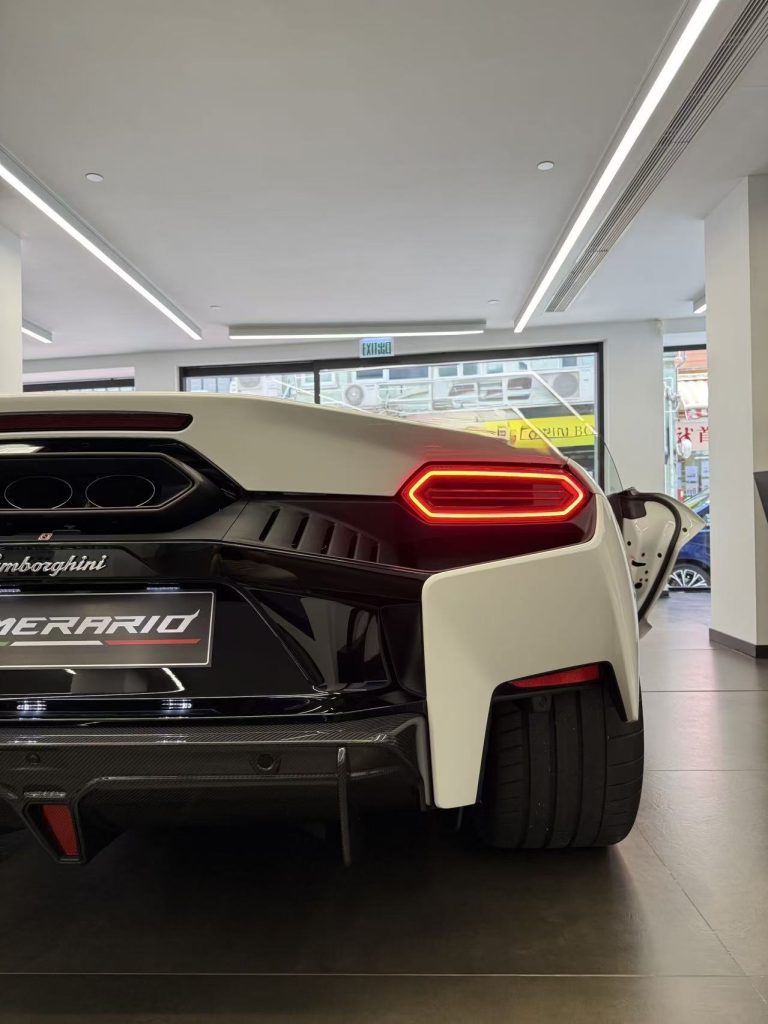
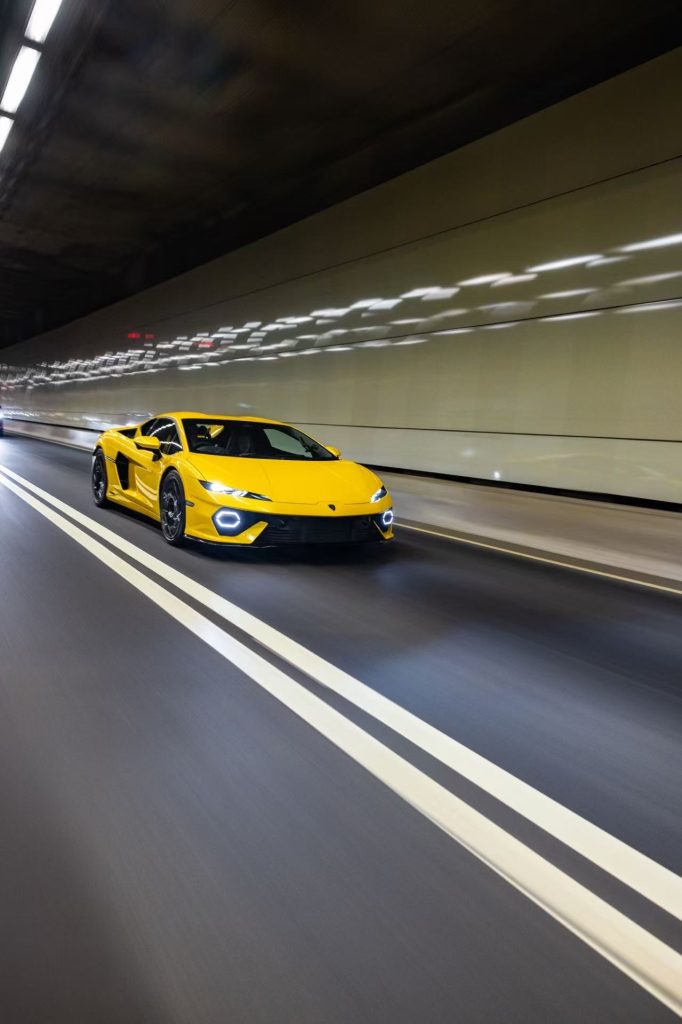
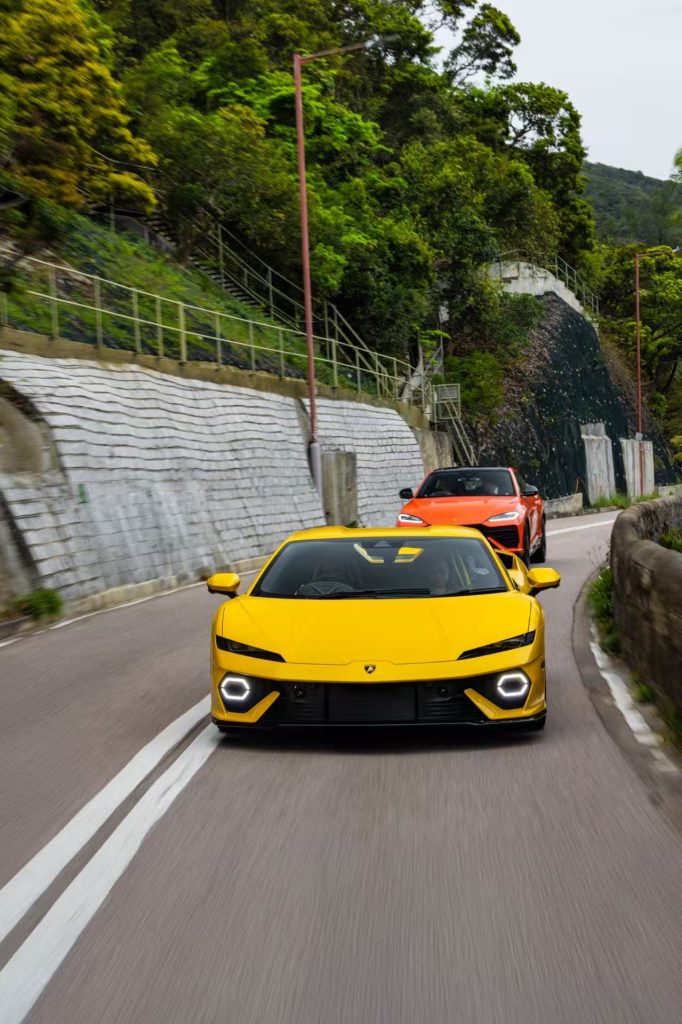
Our route began at Lamborghini Hong Kong’s Wan Chai showroom, climbed to the Peak, dropped south toward Shek O, then stretched out toward Tai Mo Shan. In roughly three hours, the new Temerario and Urus SE had to deal with exactly the kind of conditions owners here will actually face: broken surfaces, stop-start traffic, tighter corners, damp-looking patches, local streets and highway runs. That made it a much better test than a short burst on a perfect road.
It also made one thing very clear. Lamborghini’s hybrid era is not about softening the brand. It is about broadening it.
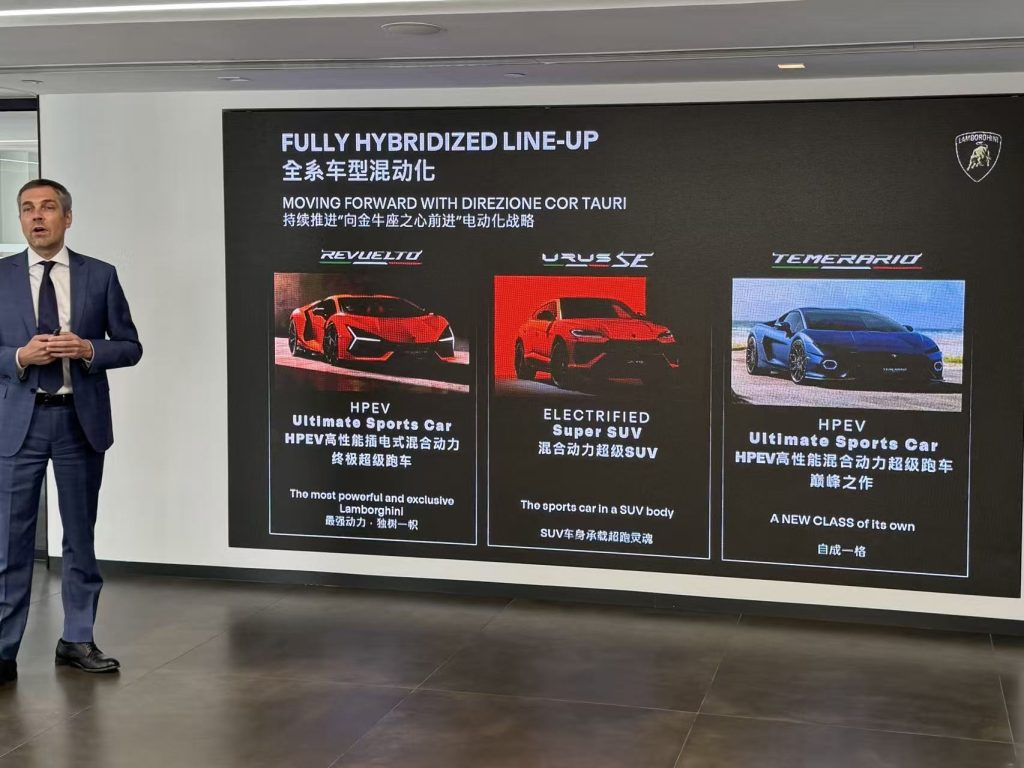
That matters because Lamborghini has always traded on fantasy. For many of us, the brand began as a childhood obsession: impossible proportions, impossible noise, impossible drama. The poster-car appeal is still there, but the company now has a different challenge. It has to preserve that sense of occasion while making its cars more usable, more intelligent and more complete. Officially, Lamborghini now fields a fully hybridized production range, the first in its segment, and that is not a line the company treats as an apology. It treats it as an upgrade.
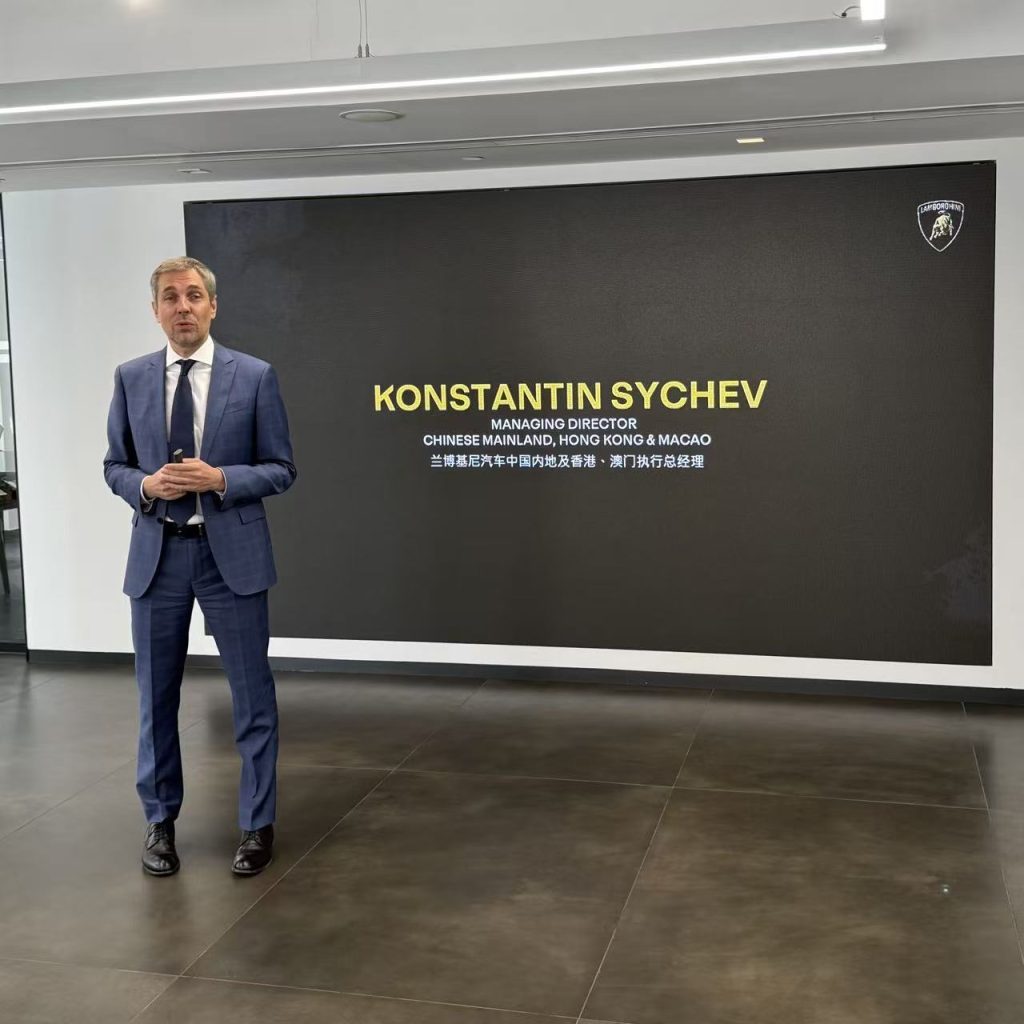
Konstantin Sychev, Managing Director of Automobili Lamborghini Chinese Mainland, Hong Kong & Macao, framed it in almost exactly those terms. In his view, hybridization is there to boost performance, not dilute it, and Lamborghini has stuck with hybrid architecture because that is still what customers value most: performance, character and fun. He also made the point that “compromise” is the wrong word, because in Lamborghini’s eyes there is no compromise in performance.
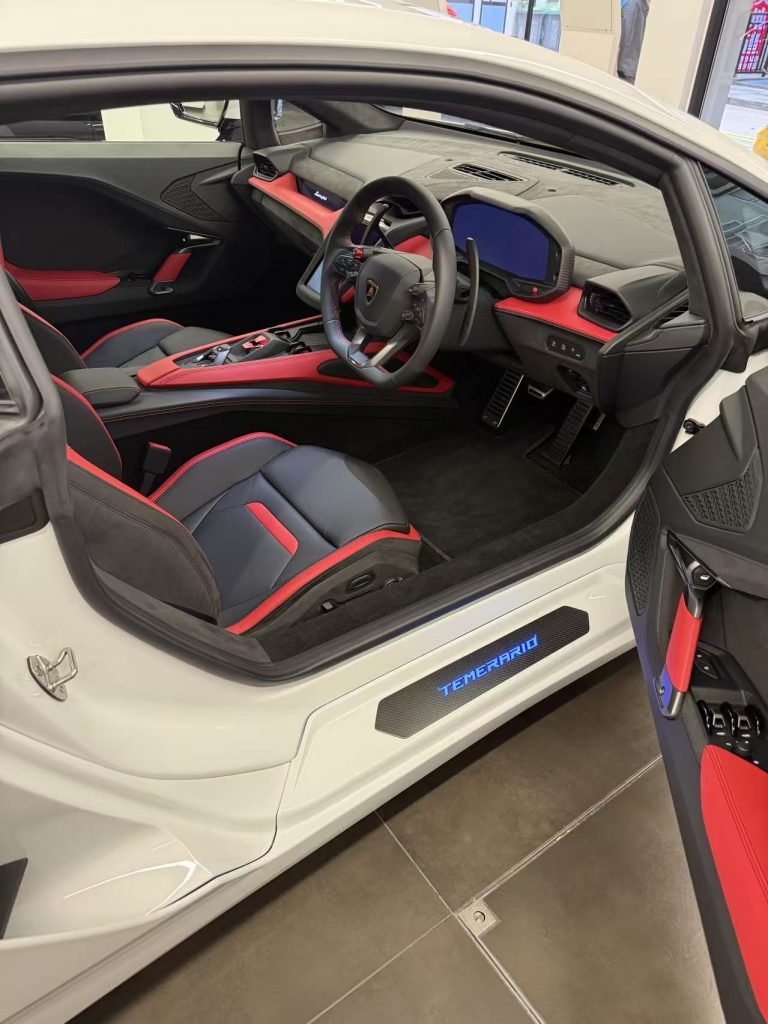
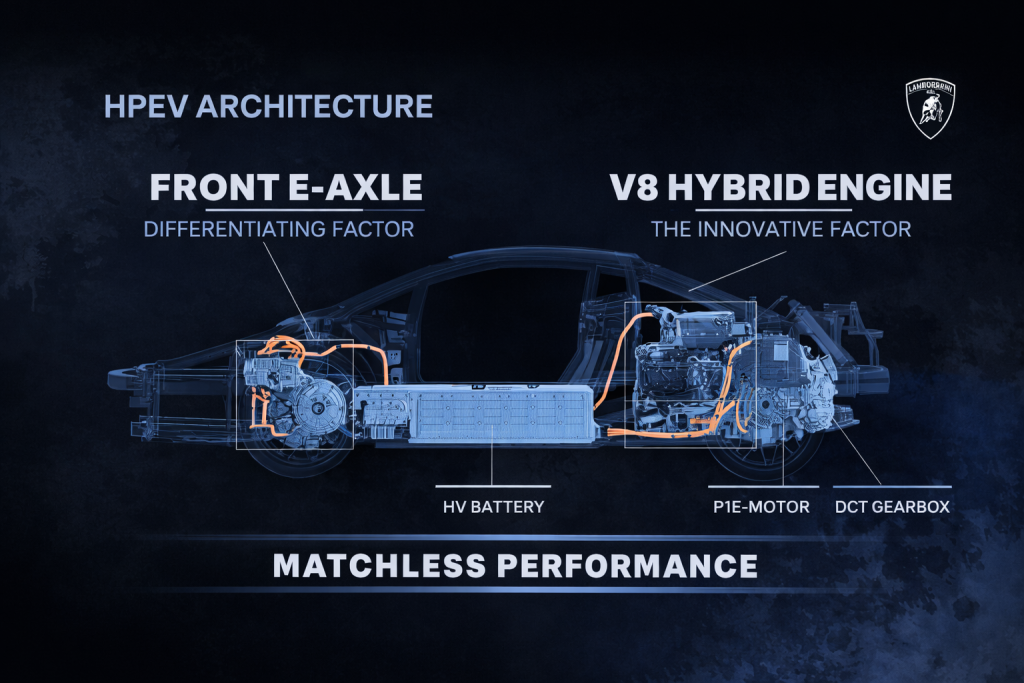
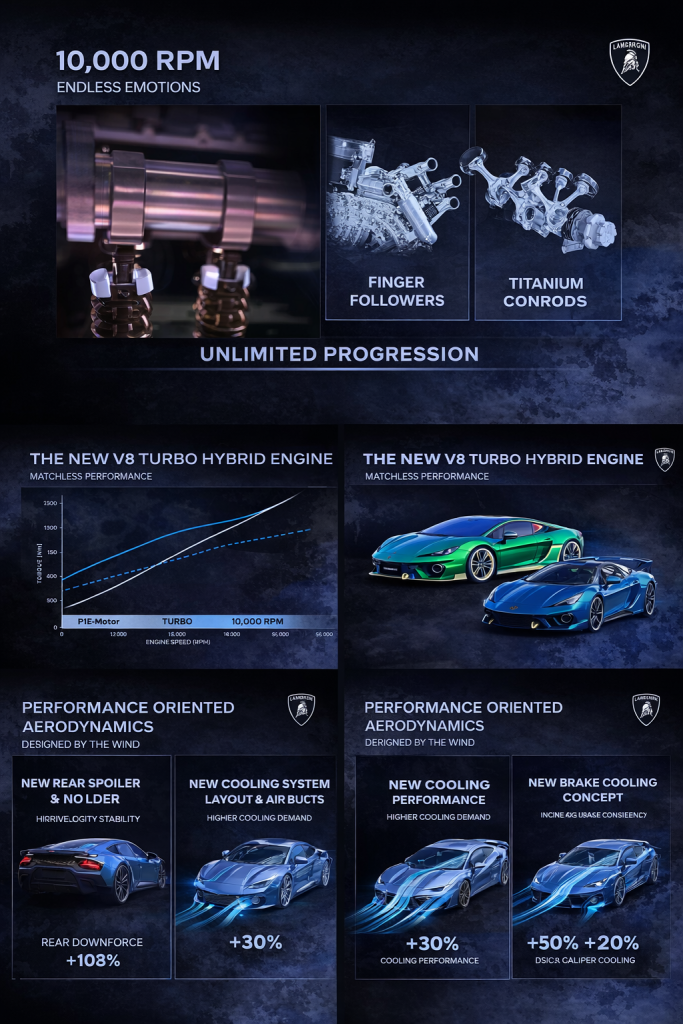
The Temerario is the clearest expression of that thinking. On paper, it sounds almost engineered to provoke debate: a twin-turbo 4.0-liter V8, three electric motors, 920 CV combined output, and what Lamborghini says is the first and only production super sports car engine capable of revving to 10,000 rpm. It is also the second HPEV model in the range after the Revuelto. In the abstract, that can sound like a car trying very hard to prove that electrification has not dulled its edge. In reality, it feels like something more interesting than that.
Because the first thing that stands out on the road is not violence. It is composure.
That may not be the most romantic word to use about a Lamborghini, but it is the right one. The Temerario rides Hong Kong’s scarred urban tarmac far better than a low, mid-engined exotic has any right to. At low speed, over visible potholes and rough patches, it simply got on with the job. It absorbed the bumps, stayed settled and never felt brittle. There is a maturity to the suspension that is immediately apparent, and on roads like ours that matters more than any top-speed figure ever will.
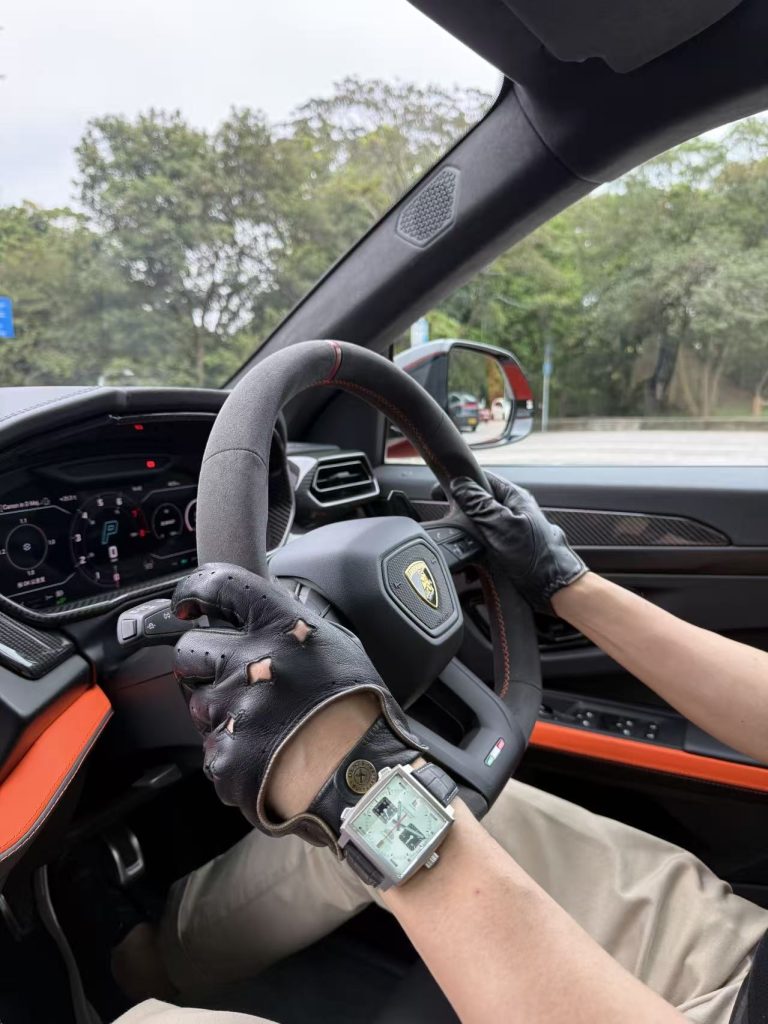
I am careful about making heroic claims from public-road impressions. I was not exploring the car’s true limits and had no intention of doing so. But with enough track time and road experience to know when a chassis is talking clearly, I can say this much: the Temerario feels very well sorted. Through tighter sections, there was enough load, enough direction change and enough surface variation to tell that the road holding is serious. The car feels planted and calm, not nervous and over-wound.
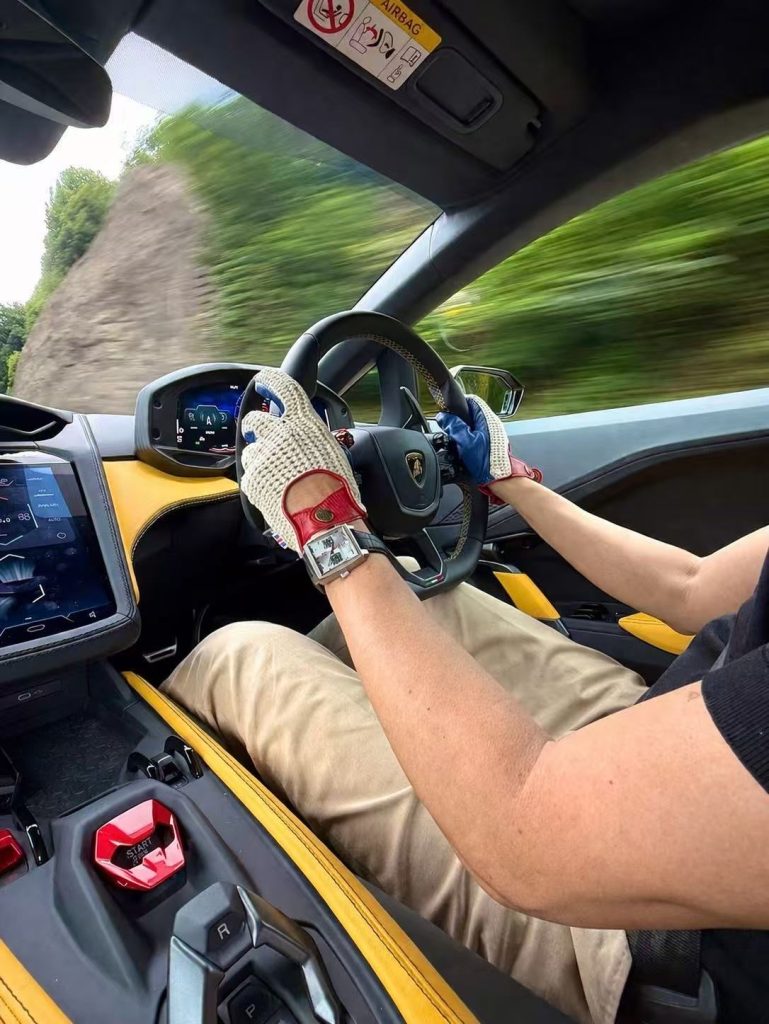
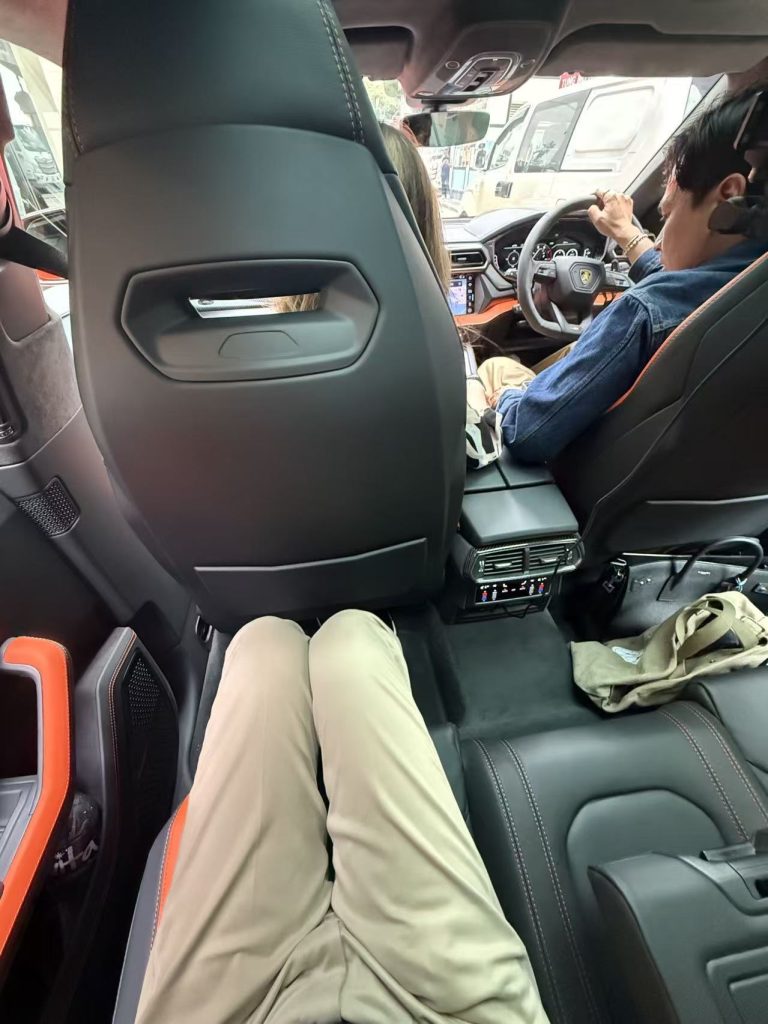
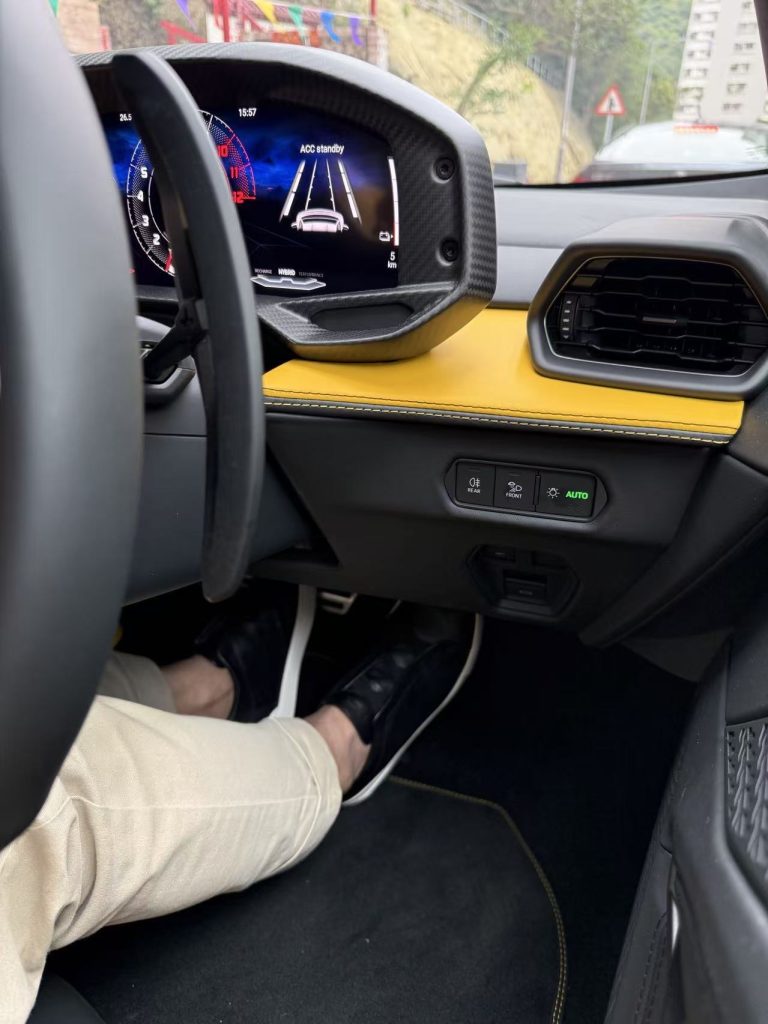
What impressed me even more was its bandwidth. I had a Lamborghini staff member alongside me and we were able to carry on a normal conversation without the car overwhelming the moment. That is not to say the Temerario has gone quiet in spirit. Far from it. It still has presence, still feels special, and still carries the visual aggression expected of anything from Sant’Agata. But the latest Lamborghini is no longer one-dimensional. It no longer insists on turning every kilometer into theatre.
That broader personality is not accidental. Sychev said hybridization also brings user-friendliness, especially for drivers who are not professionals. He pointed out that where older setups tied suspension response and transmission behavior more rigidly to the drive modes, the new generation adds another layer of fine-tuning for different scenarios. He also spoke about increased space, comfort and day-to-day usability. In other words, the Temerario has been engineered not just to impress but to adapt.
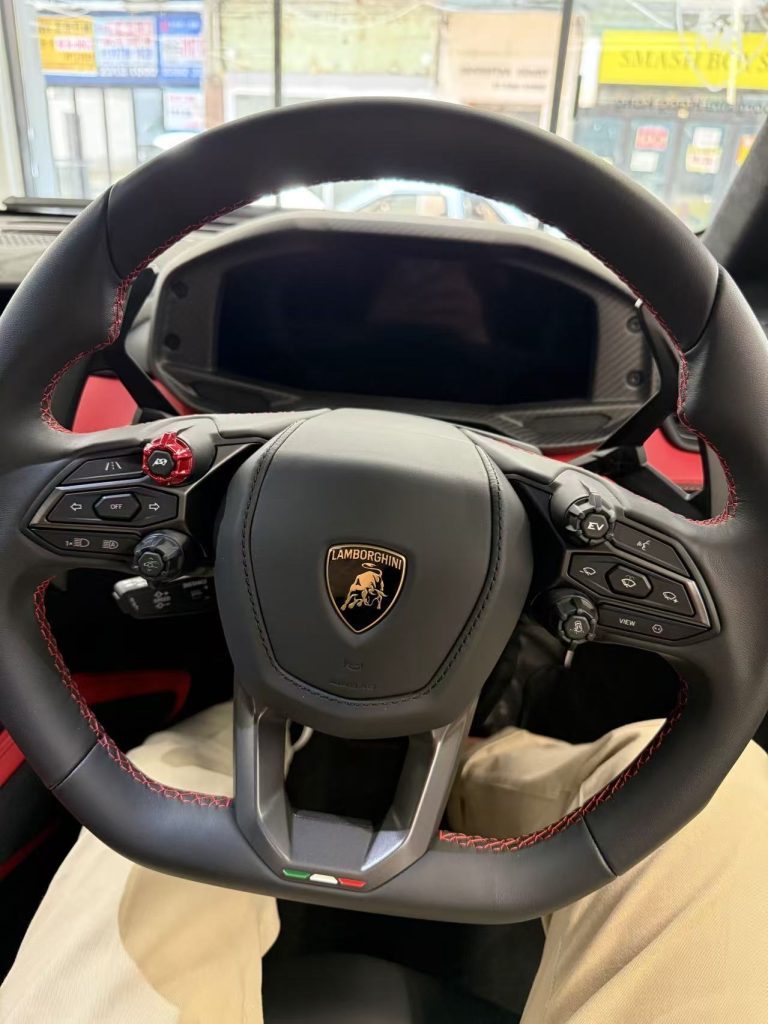
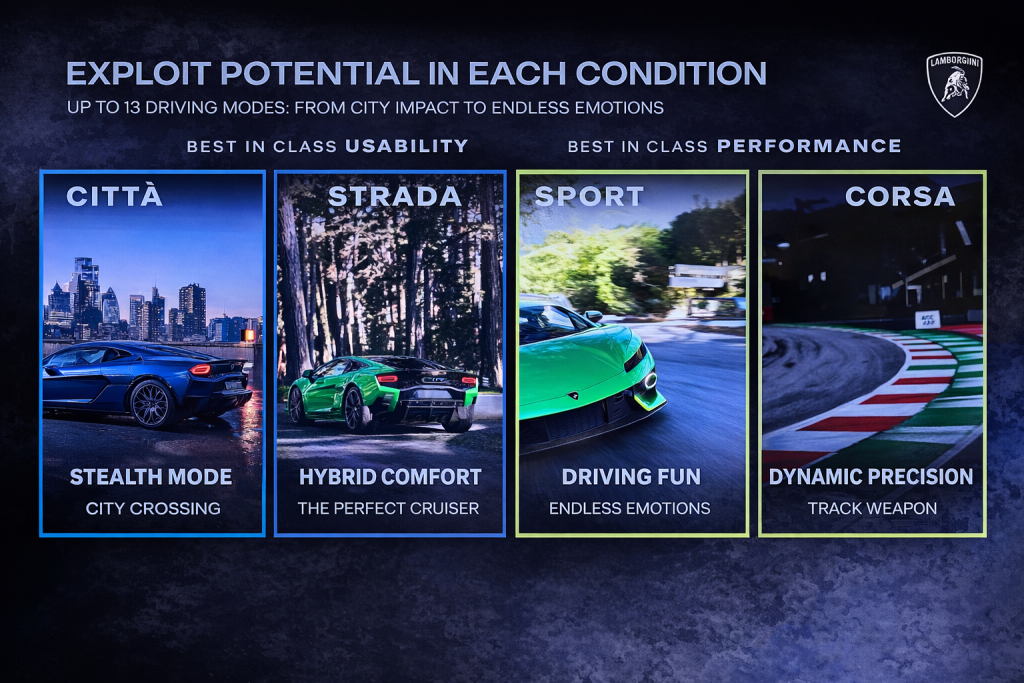
That matches what I felt from behind the wheel. The cleverness of the Temerario is not that it can do the dramatic stuff. Every Lamborghini has to do that. The cleverness is that it can now do subtler things too. It offers a full-electric Città mode for quieter running, and its front e-axle brings electrified all-wheel-drive capability and torque vectoring into the mix. Lamborghini says the car has 13 driving modes in total, spanning everything from daily usability to track work, and while no Hong Kong media route is going to reveal the whole spectrum, you can already feel the breadth in the way the car goes about its business.
Then there is Drift Mode, which deserves mention not because I used it, but because it says so much about the car’s intent. Officially, the Temerario’s new Drift Mode is offered in three levels, progressively opening the door to greater yaw and greater freedom for experienced drivers. The significance is cultural as much as technical. Lamborghini could have used hybridization simply to make the Temerario cleaner, quicker and more efficient. Instead, it also preserved room for mischief. That feels very on-brand.
Sychev also made an observation that felt especially relevant to this drive: Hong Kong customers, he said, tend to use these cars more fully in daily driving, whereas mainland Chinese owners often experience them in a gentler, more lifestyle-oriented way. That struck me as exactly right. The mixed route around Hong Kong was not a compromise test. It was probably closer to real ownership than many so-called ideal drives would be.
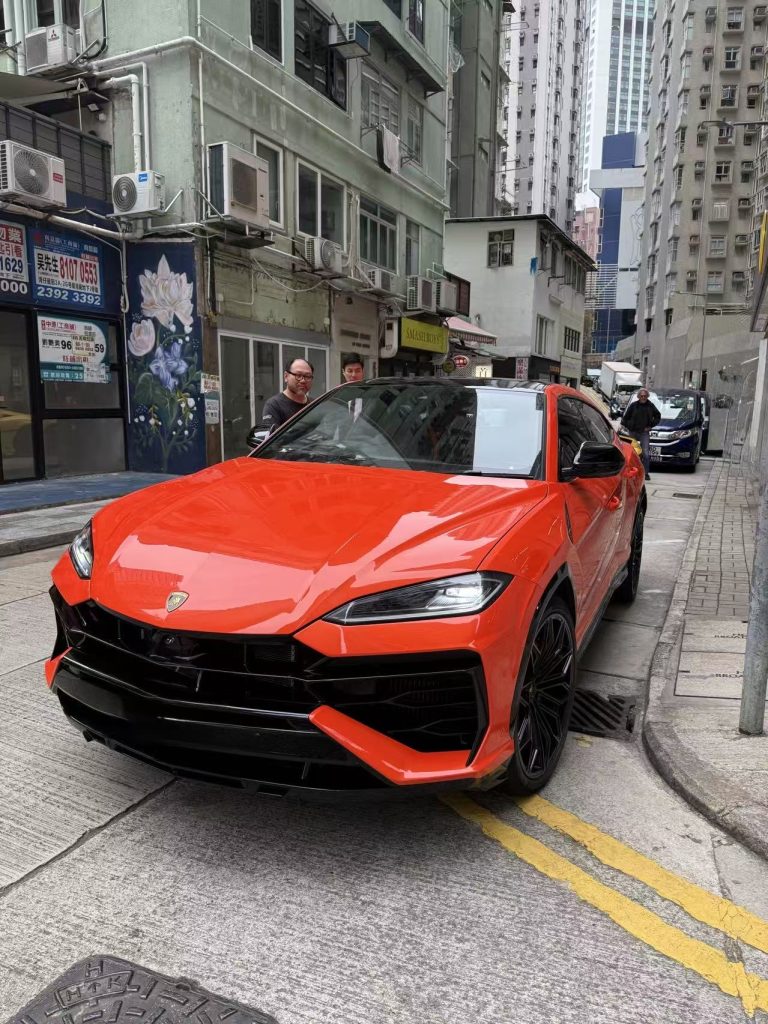
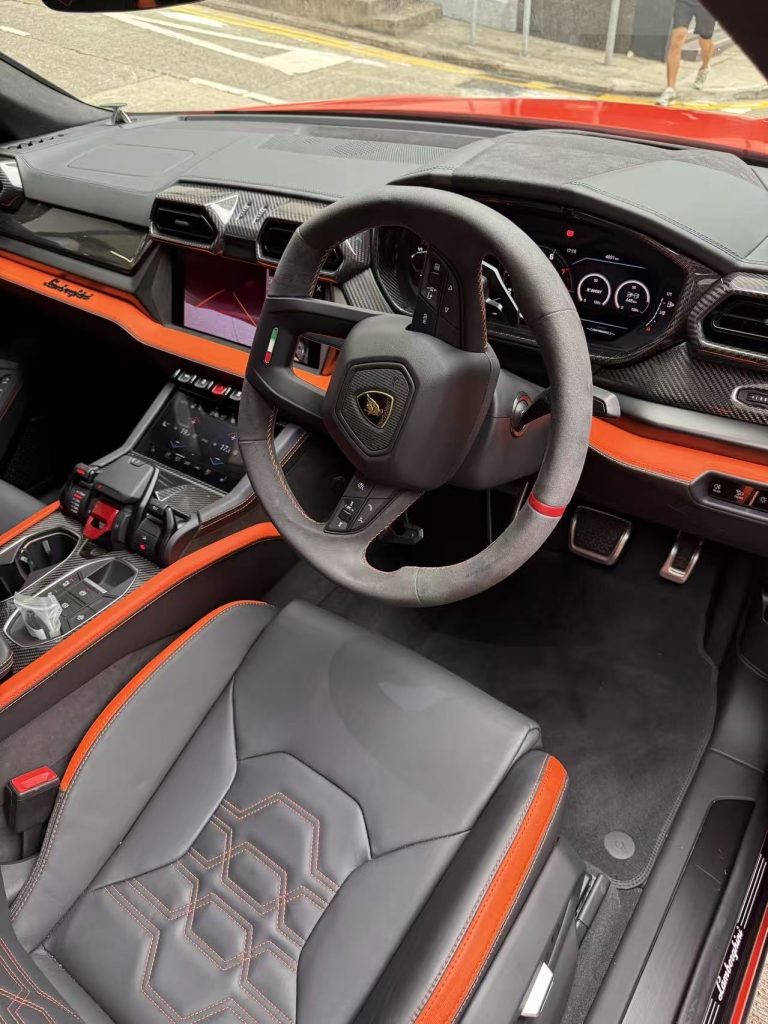
If the Temerario is the intellectual center of Lamborghini’s new chapter, the Urus SE is the practical one. It is the brand’s first PHEV Super SUV, with 800 CV combined, over 60 km of electric range, and the usual blend of big-speed capability and everyday packaging that has made the Urus such an important car for the brand. Lamborghini says it cuts emissions by up to 80 percent compared with the previous Urus and positions it as the next step toward full hybridization.
On the road, the Urus SE feels like the sensible answer to a question nobody used to ask of Lamborghini: what if one car really could do everything? It can carry the family, shrug off poor weather, deal with the kind of standing water and rough conditions Hong Kong occasionally throws at you, and still move with real authority. There is nothing especially complicated about its appeal. It is fast, easy to place, confidence-inspiring and useful in a way the Temerario is not trying to be. The supercar is the one you think about. The SUV is the one you can justify.
What stayed with me after the drive was not any single technical headline, though there are plenty of those. It was the sense that Lamborghini has managed to widen the experience without draining away the emotion. The Temerario, especially, feels like a car designed by people who understand that modern performance cannot rely on one note alone. It has to be exciting, yes, but it also has to be livable. It has to be dramatic, but not exhausting. It has to feel special at 30 km/h as well as at speeds you should only be exploring somewhere else.
That may be the most interesting thing about Lamborghini in 2026. The dream has not disappeared. It has simply become more sophisticated.
And for that, thanks are due to Lamborghini Hong Kong, to Kingsway Cars Limited, the sole official distributor of Automobili Lamborghini in Hong Kong, and to Konstantin Sychev and Filippo Moretti, Product Marketing Manager Asia Pacific at Automobili Lamborghini, for the warm hospitality and the technical insight that framed the day.